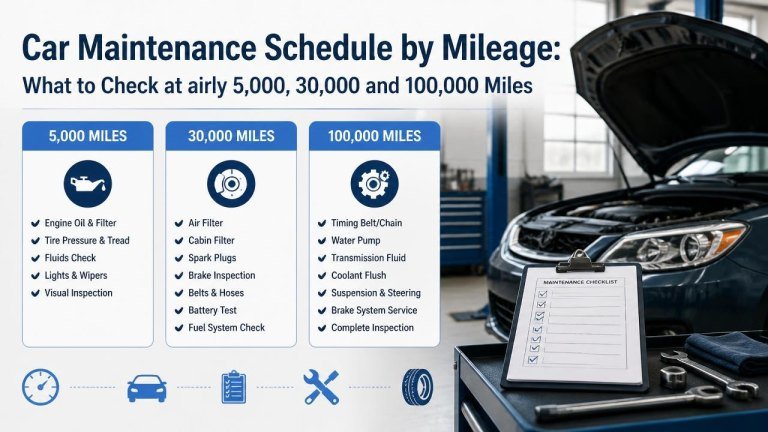
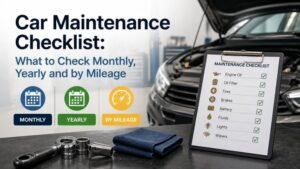
Following a mileage-based car maintenance schedule helps you identify wear before it becomes a breakdown. While every vehicle has different requirements, most cars benefit from regular inspections and fluid, filter, tire, brake, and belt checks at predictable intervals.
Why Mileage-Based Maintenance Matters
Routine service protects your vehicle’s reliability, safety, and long-term value. Mileage is a useful guide because many components wear gradually with driving, even when the car appears to run normally. Always compare a general schedule with your owner’s manual, which may specify different intervals for your engine, transmission, climate, or driving conditions.
Short trips, heavy traffic, towing, dusty roads, extreme temperatures, and frequent stop-and-go driving can qualify as severe service. Under those conditions, your vehicle may need more frequent inspections or earlier fluid and filter replacement.
What to Check at About 5,000 Miles
The 5,000-mile visit is often a basic preventive service. It is an opportunity to identify small problems before they affect engine performance, tire safety, or braking control.
- Engine oil and filter: Check the oil level and condition, and replace the oil and filter according to the manufacturer’s schedule and oil specification.
- Tires: Inspect tread depth, tire pressure, sidewalls, and uneven wear. Rotate the tires if recommended for your vehicle.
- Brakes: Look for worn pads, damaged rotors, fluid leaks, or unusual noise and vibration.
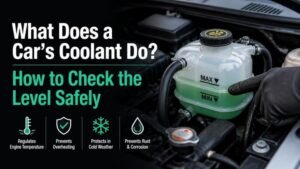
- Fluid levels: Check coolant, brake fluid, windshield washer fluid, and other accessible reservoirs.
- Lights and wipers: Test exterior lights, inspect wiper blades, and refill washer fluid.
- Underbody and leaks: Look for fresh oil, coolant, transmission fluid, or brake fluid beneath the vehicle.
Between service visits, check the oil level and tire pressure regularly. Warning lights, new sounds, fluid spots, or changes in steering and braking should be addressed promptly rather than postponed until the next mileage milestone.
Quick Checks You Can Do at Home
Several maintenance tasks require only a few minutes. With the engine off and the vehicle parked safely, inspect tire pressure, fluid levels, and visible leaks. Confirm that the lights work and check whether the wiper blades leave streaks.
Do not open a hot cooling system or work beneath a vehicle supported only by a jack. If a check reveals a leak, damaged tire, low brake fluid, or a warning indicator, arrange a professional inspection.
What to Check at About 30,000 Miles
At around 30,000 miles, maintenance generally becomes more comprehensive. Components that were only inspected at earlier visits may now require replacement or deeper testing. The priority is to preserve fluid protection, airflow, and component durability.
- Engine air filter: Replace it if dirty or if the service schedule calls for replacement. A restricted filter can affect airflow and engine operation.
- Cabin air filter: Inspect or replace it to support clean interior airflow and proper climate-control performance.
- Brake system: Measure pad and shoe wear, inspect rotors and drums, and check brake lines and hoses.
- Battery and charging system: Inspect terminals, mounting hardware, and battery condition. Test the charging system when appropriate.
- Suspension and steering: Examine shocks, struts, ball joints, tie-rod ends, bushings, and other components for looseness or leaks.
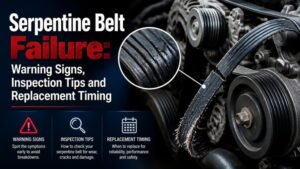
- Belts and hoses: Look for cracking, swelling, fraying, glazing, or signs of fluid exposure.
- Transmission and other fluids: Inspect levels and condition, and replace fluids or filters only when specified for the vehicle and service conditions.
Some vehicles call for spark plug replacement or additional fuel-system service at this mileage, while others use longer intervals. Use the owner’s manual or the manufacturer’s maintenance system rather than assuming every car follows the same schedule.
Signs Your Car Needs Attention Before 30,000 Miles
A mileage interval is not a guarantee that a component will last that long. Arrange an inspection if you notice hard starting, pulling while braking, or steering vibration. A burning smell, repeated fluid loss, overheating, or a flashing warning light also deserves immediate attention.
What to Check at About 100,000 Miles
The 100,000-mile service is a major review of the vehicle’s condition. It should combine scheduled replacements with a careful inspection of parts affected by age, heat, mileage, and driving conditions. Focus on timing components, cooling protection, and drivetrain health.
- Timing belt or chain: Check whether the manufacturer specifies inspection or replacement. If a timing belt is due, related components such as tensioners and water pumps may also need attention.
- Spark plugs and ignition components: Replace plugs at the specified interval and inspect coils, wires, and related connections when applicable.
- Coolant: Test or replace coolant according to the vehicle’s service schedule and use the correct coolant type.
- Transmission, differential, and transfer-case fluids: Inspect or replace these fluids when required, especially on vehicles used for towing or off-road driving.
- Belts, hoses, and seals: Examine aging rubber components for deterioration, leaks, or weakened tension.
- Suspension and wheel bearings: Check for play, noise, uneven ride height, and worn mounts or bushings.
- Exhaust and emissions components: Inspect for rust, leaks, damaged hangers, and fault codes.
Some vehicles reach 100,000 miles with only normal wear, while others need repairs sooner. A thorough inspection can separate essential work from optional recommendations and help you plan future maintenance.
How Driving Conditions Change the Schedule
The standard schedule assumes typical use. Severe conditions may shorten service intervals because they place additional stress on engine oil, brakes, and transmission components.
- Frequent short trips can prevent the engine from reaching full operating temperature.
- Heavy traffic increases brake, clutch, and cooling-system workload.
- Towing or carrying heavy loads places extra demand on the engine, transmission, tires, and brakes.
- Dusty or muddy roads can shorten air-filter life and accelerate wear.
- Very hot or cold climates can affect batteries, fluids, tires, and rubber components.
If your driving fits these conditions, check the severe-service section of the owner’s manual. The correct interval may be based on time as well as mileage, so a low-mileage vehicle can still require annual or seasonal maintenance.
How to Keep an Accurate Maintenance Record
A simple record makes it easier to track service dates, mileage, and parts replaced. Save invoices, note fluid specifications, and record tire rotations, inspections, and warning-light diagnostics.
Before approving work, ask which items are required by the manufacturer and which are recommendations based on inspection. This helps you prioritize safety-related repairs while budgeting for routine service and future maintenance.
Final Maintenance Checklist
Use mileage as a reminder, not as a substitute for observation. At every interval, pay attention to warning signs, manufacturer guidance, and vehicle-specific needs.
- Follow the owner’s manual for exact intervals and fluid specifications.
- Inspect tires, brakes, lights, and fluid levels regularly.
- Complete additional checks at approximately 5,000, 30,000, and 100,000 miles.
- Adjust service frequency for severe driving conditions.
- Address warning lights, leaks, unusual noises, and handling changes promptly.
- Keep detailed records of all maintenance and repairs.
Consistent maintenance cannot prevent every repair, but it can improve safety, preserve performance, and reduce the risk of unexpected problems. When in doubt, use the vehicle’s maintenance schedule and consult a qualified technician.