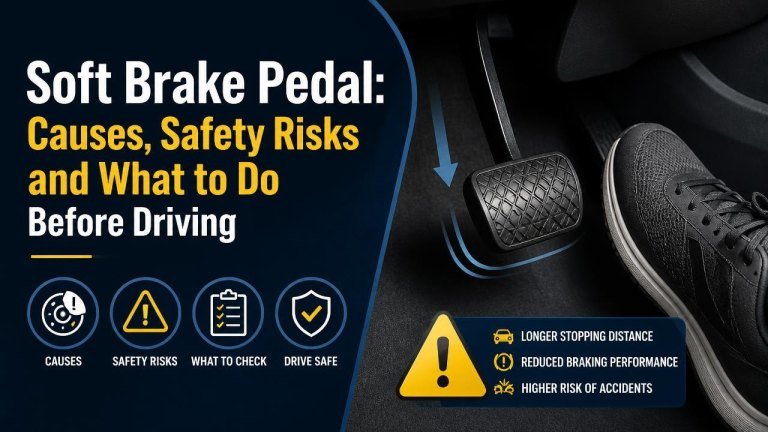
A soft brake pedal that feels spongy, sinks lower than usual or requires repeated pumping should never be ignored. Brakes depend on consistent hydraulic pressure, so any change in pedal feel may indicate a problem that can reduce stopping control.
What Does a Soft Brake Pedal Feel Like?
A soft pedal may feel spongy, travel farther than normal or move gradually toward the floor while you maintain pressure. Some drivers notice that the pedal becomes temporarily firmer after pumping it, but this does not mean the vehicle is safe to drive. It may only be masking an underlying hydraulic problem or component fault.
A change in pedal feel is especially concerning when it appears with reduced braking power, a warning light, unusual noises or visible fluid under the vehicle.
Common Causes of a Soft Brake Pedal
Several faults can produce a soft or sinking brake pedal. The exact cause cannot be confirmed by pedal feel alone, so a professional inspection is important.
Air in the Brake Lines
Air is compressible, unlike brake fluid. When air enters the system, pressing the pedal may compress the air instead of transferring pressure efficiently to the brakes. This can create a spongy pedal, longer pedal travel and inconsistent braking response.
Air may enter after brake work, through a leak or when the fluid level becomes too low. The system usually needs to be properly bled after the source of the problem is corrected.
Low or Leaking Brake Fluid
A low fluid level can result from worn brake pads, a leak or incorrect servicing. Look for wet spots near the wheels, under the vehicle or around the master cylinder. Brake fluid may also have a clear, amber or brown appearance depending on its age and type.
Do not simply top up the reservoir and continue driving if the level is falling. A fluid leak can worsen quickly and may cause partial or complete loss of braking pressure.
Master Cylinder Problems
The master cylinder converts pedal movement into hydraulic pressure. Worn internal seals can allow pressure to bypass inside the cylinder, causing the pedal to sink slowly while you hold it down.
This fault may not always produce an obvious external leak, which is why a sinking pedal requires a professional diagnosis rather than a visual check alone.
Worn Brake Components or Adjustment Issues
Heavily worn pads or shoes, excessive movement in drum-brake components or a sticking caliper can increase pedal travel. In some cases, a brake component may need adjustment, replacement or lubrication by a qualified technician.
Brake work should be carried out with the correct parts and procedures because improper installation can create an immediate safety hazard.
Old or Contaminated Brake Fluid
Brake fluid absorbs moisture over time. Contaminated fluid can affect braking performance and may contribute to corrosion or a less consistent pedal. Using the correct fluid specification is essential; different fluids are not always interchangeable.
Safety Risks of Driving With a Soft Brake Pedal
A soft pedal can increase stopping distance and make braking less predictable. The vehicle may require more pedal travel before slowing, leaving less time to respond to traffic, pedestrians or unexpected hazards.
If hydraulic pressure continues to fall, braking ability may become severely limited. Repeatedly pumping the pedal may provide temporary firmness, but it should not be treated as a repair. The underlying brake-system fault may still be present and could return without warning.
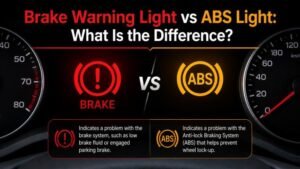
Driving is particularly unsafe when the pedal reaches the floor, the vehicle pulls to one side, brake fluid is leaking or a brake warning light is illuminated.
What to Do Before Driving
Before moving the vehicle, take the following precautions:
- Park on a level surface and apply the parking brake.
- Press the brake pedal firmly and note whether it feels firm and consistent or continues sinking.
- Check the brake-fluid reservoir if it is safe and accessible, without touching fluid with bare skin.
- Look for signs of a fluid leak near the wheels or beneath the vehicle.
- Check whether any warning lights remain illuminated after starting the engine.
- Arrange a professional inspection before driving if the pedal is soft, low or changing in feel.
If the pedal reaches the floor, braking power is significantly reduced or fluid is visibly leaking, do not drive the vehicle. Arrange roadside assistance or have it transported to a repair facility.
Can Pumping the Brake Pedal Make It Safe?
Pumping the pedal may temporarily increase firmness when air, excessive clearance or another hydraulic issue is present. However, this is only a temporary symptom change, not a solution. The pedal may become soft again during the next stop.
Use pumping only as an emergency response while bringing the vehicle to a safe stop, not as a reason to continue a normal journey. A qualified technician should identify and repair the underlying cause.
How a Brake Problem Is Diagnosed
A technician may inspect the fluid level and condition, brake lines, hoses, calipers, wheel cylinders, pads, shoes and master cylinder. They may also test for hydraulic pressure, trapped air and internal leakage.
The repair could involve bleeding the system, replacing a leaking hose, renewing worn brake parts or repairing the master cylinder. The correct fix depends on the inspection findings, and replacing fluid alone may not address a mechanical fault.
When It Is Safe to Drive Again
Do not resume normal driving until the cause has been repaired and the brake pedal feels firm and predictable. The vehicle should stop smoothly without pulling, unusual noises, warning lights or excessive pedal travel.
After repair, follow the technician’s instructions and test the brakes carefully in a safe area. If the soft feeling returns, stop driving and request another brake-system inspection.
Final Takeaway
A soft brake pedal is a warning sign, not a minor comfort issue. Air, low fluid, leaks, worn components and master-cylinder faults can all affect braking performance. Treat any change as a potential safety issue, avoid unnecessary driving and arrange a qualified inspection before relying on the vehicle.