A coolant leak can begin as a small drip and quickly become a serious engine problem. Because coolant helps control engine temperature, losing too much of it may lead to overheating, costly damage, or an unsafe breakdown. Knowing the warning signs can help you act before the problem gets worse.
Common Signs of a Coolant Leak
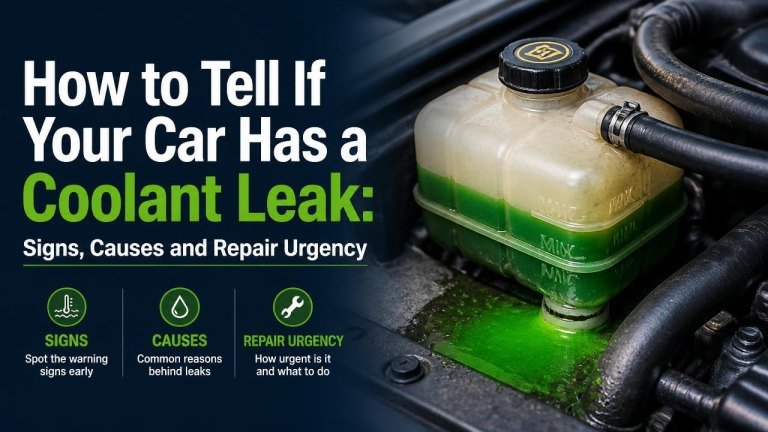
The most obvious warning may be a brightly colored puddle beneath the vehicle, but leaks do not always leave a large visible mark. Coolant may appear green, orange, pink, yellow, or blue depending on the product used. It often has a sweet smell, especially after the engine has been running.
Other signs include a low coolant level, repeated need to top up the reservoir, or a temperature gauge that rises higher than usual. You may also notice steam from under the hood, a warning light on the dashboard, or reduced heat from the cabin heater. These symptoms can sometimes resemble car AC cooling problems.
Check the Coolant Reservoir
With the engine completely cold, inspect the coolant reservoir and compare the level with the marked minimum and maximum lines. A level that keeps falling suggests a possible external leak or an internal cooling-system problem. Never remove the radiator cap while the engine is hot, because pressurized coolant can cause serious burns.

Look around the reservoir, hoses, radiator, and nearby engine components for wet spots, crusty residue, or staining. Dried coolant can leave a chalky or brightly colored deposit even when no liquid is currently dripping.
Where Coolant Leaks Commonly Occur
Cooling systems contain many connected parts, and any weakened seal or component can allow coolant to escape. Common trouble spots include radiator hoses, hose clamps, the radiator itself, and the coolant reservoir. A car fluid leak color guide can help distinguish coolant from other fluids. Damage may result from age, vibration, corrosion, or repeated exposure to heat.
A leak may also develop at the water pump, thermostat housing, radiator cap, or heater hoses. Some leaks appear only when the system is hot and pressurized, so the ground may look dry after the vehicle has cooled.
Possible Internal Coolant Leaks
Not every leak is visible from outside the engine. A failing head gasket, cracked cylinder head, or damaged engine block can allow coolant into the combustion chambers or engine oil. Possible clues include white exhaust smoke after the engine is warm, milky-looking oil, unexplained coolant loss, or bubbles in the reservoir.
These symptoms can have other causes, but they require prompt diagnosis because an internal leak may cause major engine damage. A repair shop can use pressure testing, chemical testing, or other diagnostic methods to identify the source.
Why a Coolant Leak Is Urgent
Coolant carries heat away from the engine and helps protect components from corrosion and freezing. When the level becomes too low, the engine may overheat, causing warped components, damaged seals, or severe mechanical failure. Continuing to drive with an active leak can turn a relatively simple repair into an expensive engine problem.

Stop driving as soon as it is safe if the temperature gauge enters the red zone, a warning appears, or steam comes from under the hood. Turn off the engine, keep away from escaping steam, and allow the vehicle to cool. The what to do when overheating radiator cap should remain closed until the system is fully cool.
Can You Drive With a Coolant Leak?
The safest answer is usually no, particularly when the leak is active or the engine temperature is rising. A short trip may still be risky if the coolant level can fall quickly. If the vehicle is overheating, has lost a significant amount of coolant, or is producing steam, arrange for roadside assistance or a tow.
If the leak is very small and the engine remains at its normal temperature, a technician may advise driving only a short distance for inspection. Check the level only when the engine is cold, use the correct coolant specified for the vehicle, and never treat repeated topping up as a permanent repair.
How a Coolant Leak Is Diagnosed and Repaired
A technician will usually begin with a visual inspection and may perform a cooling-system pressure test to locate escaping coolant. Dye, combustion-gas testing, or other diagnostic procedures may be needed when the leak is intermittent or internal.
The repair depends on the failed component. It might involve replacing a hose, clamp, radiator cap, thermostat housing, water pump, radiator, or gasket. Afterward, the system should be refilled with the proper coolant mixture and properly bled so trapped air does not affect temperature control.
How to Prevent Future Coolant Problems
Regular maintenance can reveal problems before they become emergencies. Check the coolant level when the engine is cold, inspect hoses for swelling or cracking, and look for staining around connections. Follow the vehicle manufacturer’s recommended coolant service schedule rather than relying only on visual checks.
Use the specified coolant and avoid mixing products unless they are confirmed compatible. Pay attention to changes in the temperature gauge, cabin heater performance, and the smell around the engine. Early attention to a small warning sign can help prevent overheating and protect the engine.
When to Seek Immediate Help
Contact a repair professional promptly if you see coolant leaking, smell a sweet odor, or need to refill the reservoir repeatedly. Seek immediate assistance for steam from the engine bay, a rapidly rising temperature gauge, an overheating warning, or coolant pooling beneath the vehicle.
Do not open a hot cooling system or pour cold water into a hot engine. Allow the vehicle to cool safely and arrange a proper inspection. Acting quickly is the best way to protect against engine damage and restore reliable temperature control.