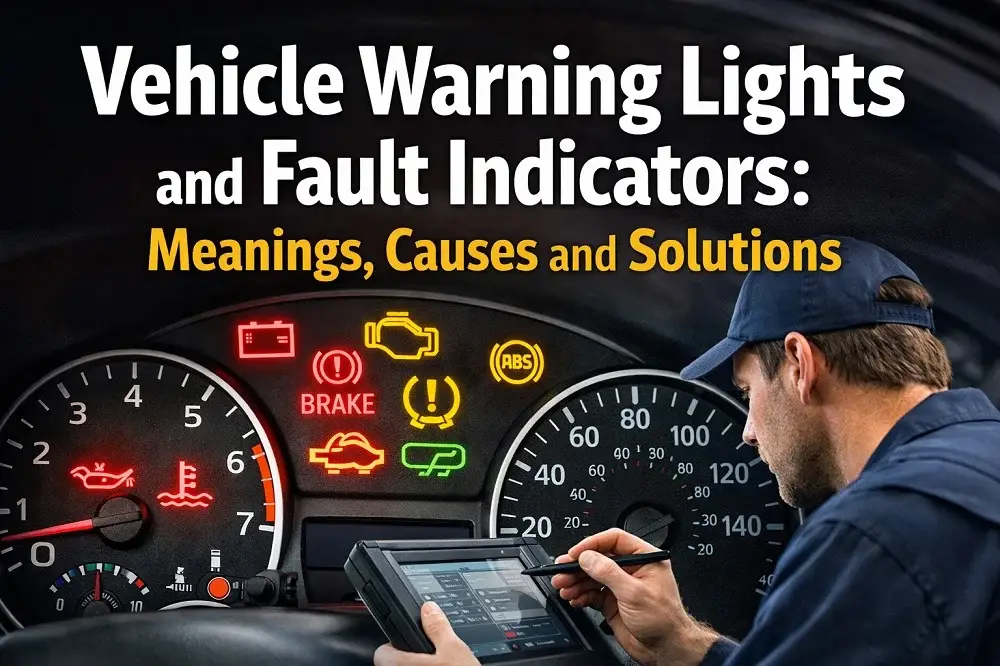
Vehicle warning lights are essential indicators located on your car’s dashboard that inform you about the condition of various systems. These lights act as the communication language of your vehicle, helping you detect potential problems early.
Modern vehicles are equipped with advanced systems, and each system is monitored by sensors. When an issue occurs, the relevant vehicle warning lights illuminate to alert the driver.
👉 Understanding these warning lights is critical for safety, performance, and avoiding costly repairs.
What Do Warning Light Colors Mean?
One of the most important aspects of vehicle warning lights is their color coding:
🔴 Red Warning Lights (Critical)
- Indicate serious and immediate danger
- Stop the vehicle as soon as it is safe
- Example: engine overheating, oil pressure
🟡 Yellow/Orange Warning Lights (Caution)
- Indicate a problem that needs attention soon
- You can continue driving cautiously
🟢 Green/Blue Lights (Information)
- Show that a system is active and functioning normally
👉 Ignoring red warning lights can cause severe damage or accidents.
Most Common Vehicle Warning Lights and Their Meanings
🌡️ Engine Temperature Warning Light
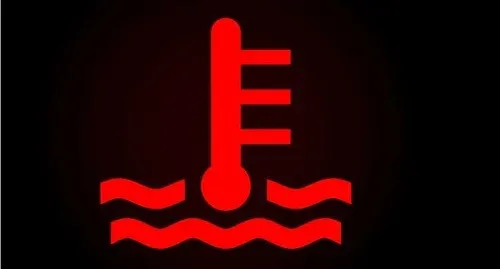
This light indicates that the engine is overheating.
What to do:
- Stop the vehicle immediately
- Let the engine cool down
- Check coolant level and radiator
👉 Overheating can cause permanent engine damage.
🛢️ Oil Pressure Warning Light
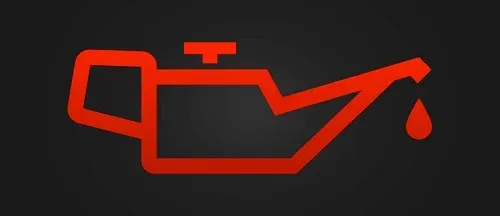
The oil pressure light signals low oil pressure or insufficient lubrication.
What to do:
- Turn off the engine immediately
- Check oil level
- Do not drive until resolved
👉 Driving with low oil pressure can destroy the engine.
🛑 Brake System Warning Light
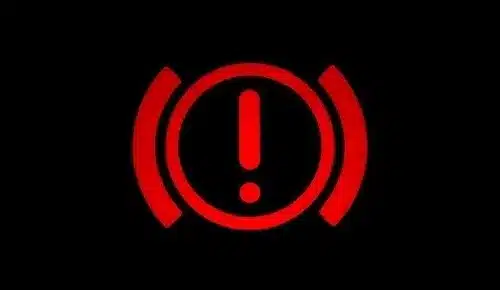
This light may indicate:
- Parking brake is engaged
- Low brake fluid
- Brake system failure
What to do:
- Release handbrake
- Check brake fluid level
- Visit service if problem persists
👉 Brake issues directly affect your safety.
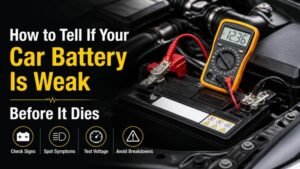
🔋 Battery / Charging System Warning Light
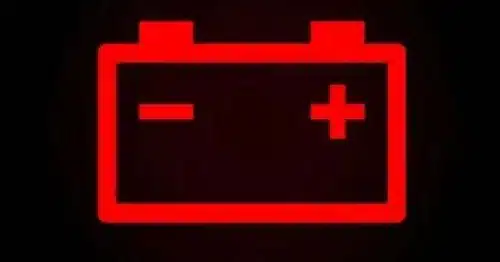
This warning shows a problem with the battery or alternator.
What to do:
- Turn off unnecessary electrical devices
- Drive to a service center
- Check charging system
👉 If ignored, your vehicle may stop completely.
Warning Lights for Safety Reasons
🔧 Service Warning Light

This is a reminder that your vehicle needs scheduled maintenance.
What to do:
- Schedule maintenance as soon as possible
- Do not ignore routine service
👉 Regular maintenance prevents major failures.
💥 Airbag Warning Light
Indicates a fault in the airbag system.
What to do:
- Have the system inspected immediately
👉 Airbags may not deploy in an accident if faulty.
⚙️ EPS (Electric Power Steering) Warning Light

This light indicates a problem with the steering assistance system.
Symptoms:
- Steering becomes heavy
- Reduced control
👉 Driving becomes more difficult and less safe.
🅿️ Parking Brake Warning Light
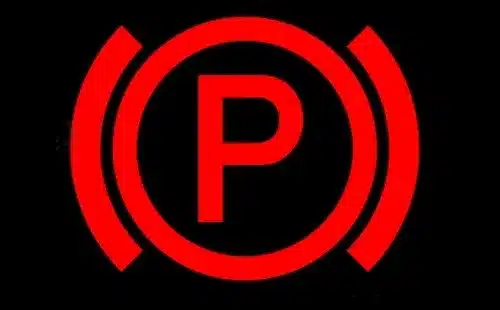
Shows that the parking brake is active.
If it remains on:
- There may be a brake system issue
⚠️ General Warning Light

A multi-purpose indicator that alerts the driver about various issues.
👉 Check the vehicle’s onboard display for details.
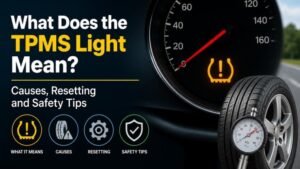
🚗 Tire Pressure Warning Light
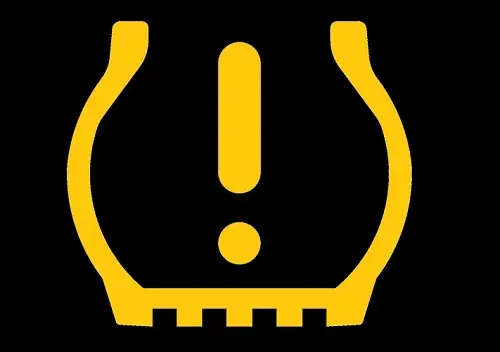
This light indicates low tire pressure.
What to do:
- Check all tires
- Inflate to recommended pressure
👉 Low pressure can cause tire damage and accidents.
🚦 ESC / ESP Warning Light
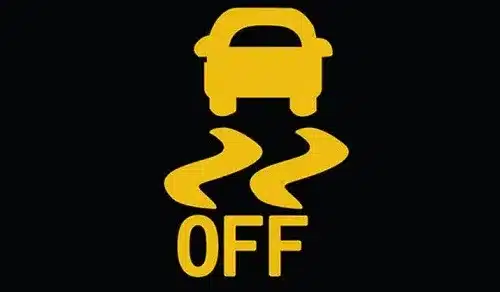
Indicates the Electronic Stability Control system is active or faulty.
- If blinking → system is working
- If constantly on → system may be disabled
👉 This system prevents loss of control during sudden maneuvers.
🔐 Steering Lock Warning Light
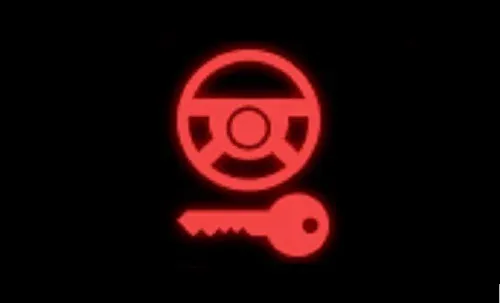
The steering lock warning light indicates that the steering system is locked and cannot be moved.
What to do:
- Insert the key into the ignition (or press start button)
- Gently move the steering wheel left and right
- Try unlocking again
👉 This is usually not a fault, but a security feature.
🚛 Trailer Hitch Warning Light
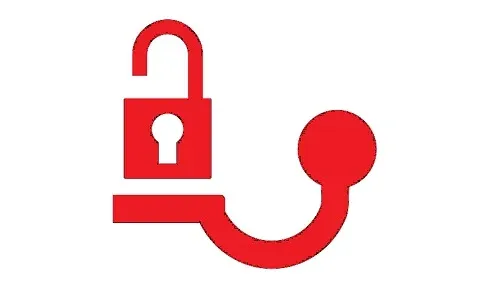
This light appears when a trailer connection is not properly secured.
What to do:
- Check the trailer hitch connection
- Ensure locking mechanism is fully engaged
👉 Improper connection can lead to serious accidents.
🌬️ Air Filter Clog Warning Light
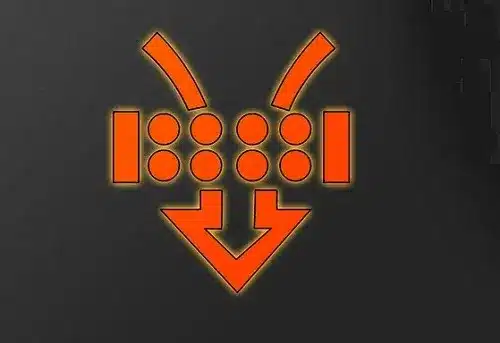
This warning indicates that the engine is not receiving enough air due to a dirty or clogged air filter.
What to do:
- Inspect the air filter
- Clean or replace if necessary
👉 A clogged filter reduces engine performance and fuel efficiency.
👶 Child Lock Warning Light
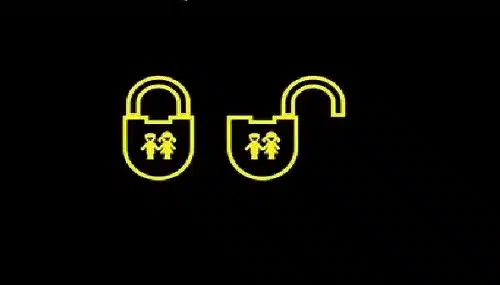
This light shows whether the child safety lock system is active.
👉 It is not a fault indicator but an informational alert for passenger safety.
🔥 Catalytic Converter Warning Light
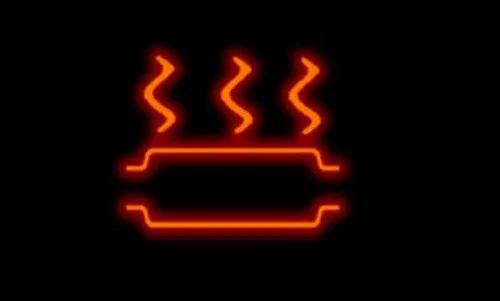
This warning signals a problem with the catalytic converter, often due to overheating or internal damage.
What to do:
- Avoid driving aggressively
- Get the exhaust system checked
👉 Ignoring this can increase emissions and damage the engine.
🛢️ Brake Fluid Level Warning Light

Indicates that the brake fluid level is below the safe limit.
What to do:
- Check brake fluid reservoir
- Refill if necessary
- Inspect for leaks
👉 Low brake fluid can lead to brake failure.
🧱 Brake Pad Wear Warning Light

This light warns that your brake pads are worn out.
What to do:
- Replace brake pads immediately
👉 Worn brake pads reduce stopping power and increase accident risk.
❄️ Icing Warning Light
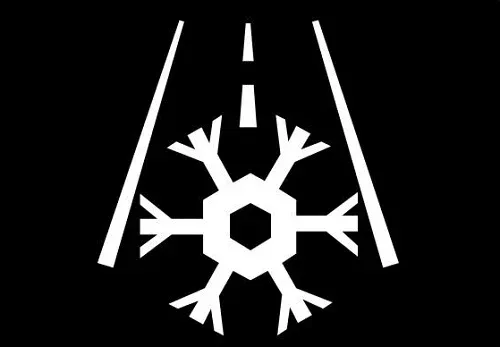
The icing warning light alerts you that outside temperatures are low and roads may be slippery.
👉 Drive carefully and reduce speed to avoid skidding.
⛽ Fuel Cap Warning Light
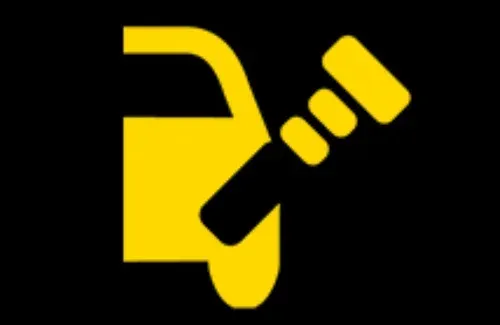
This light indicates that the fuel cap is loose or not properly closed.
What to do:
- Tighten the fuel cap properly
- Check for seal damage
👉 A loose cap can affect fuel system pressure and emissions.
🚗 Traction Control System Warning Light

Indicates a fault in the traction control system (TCS).
What to do:
- Drive cautiously
- Avoid sudden acceleration
- Have system checked
👉 Traction control helps prevent wheel slip on slippery roads.
🅿️ Electronic Parking Brake Warning Light
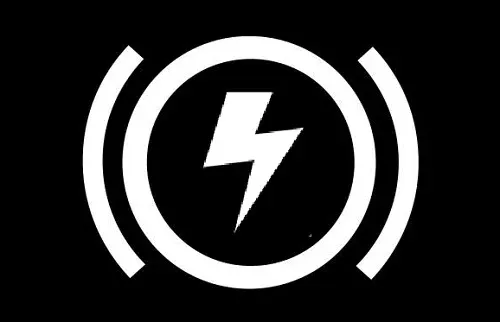
This warning shows an issue with the electronic parking brake system.
What to do:
- Restart the vehicle
- Check brake system
- Visit a service center
👉 Failure may prevent safe parking or release.
📏 Following Distance Warning Light
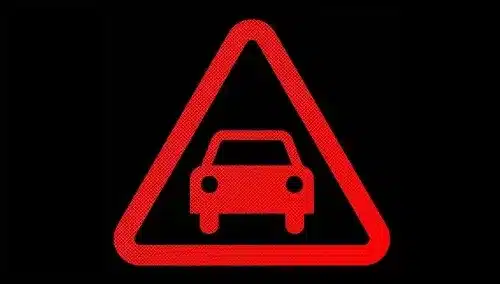
This system alerts you when you are too close to the vehicle ahead.
👉 Increase following distance to maintain safe driving conditions.
💡 Brake Light Warning
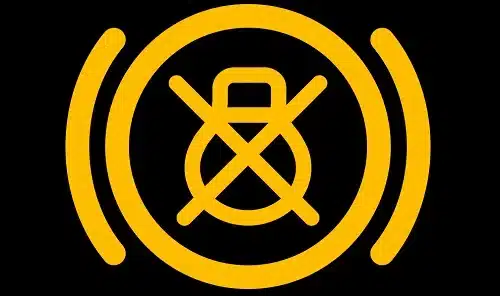
Indicates that your brake lights are not working properly.
What to do:
- Check brake bulbs
- Inspect electrical connections
👉 Faulty brake lights increase rear-end collision risk.
⚙️ Automatic Transmission Warning Light
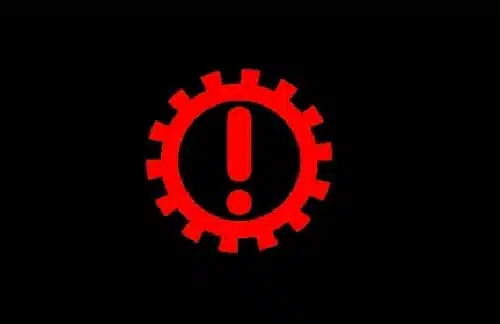
The automatic transmission warning light indicates a problem with your vehicle’s transmission system.
Possible causes:
- Low or contaminated transmission fluid
- Sensor malfunction
- Mechanical wear and tear
What to do:
- Avoid putting strain on the vehicle
- Monitor gear shifts carefully
- Take the vehicle to a service center as soon as possible
👉 Transmission issues are often expensive to repair, so early intervention is critical.
🛑 ABS System Warning Light
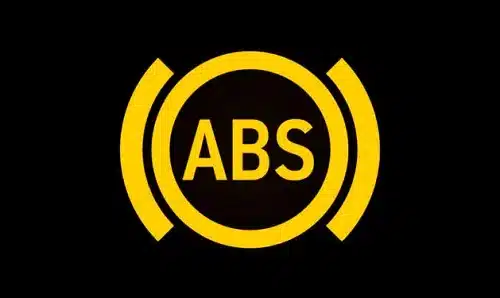
This light indicates a problem with the ABS (Anti-lock Braking System).
Under normal conditions:
- It turns on when the ignition is switched on
- It turns off shortly after
If it does not turn off:
What to do:
- Have the braking system checked
- Inspect the ABS sensors
👉 If ABS is not functioning, maintaining control during sudden braking becomes more difficult.
🚙 Four-Wheel Drive (4WD) Warning Light
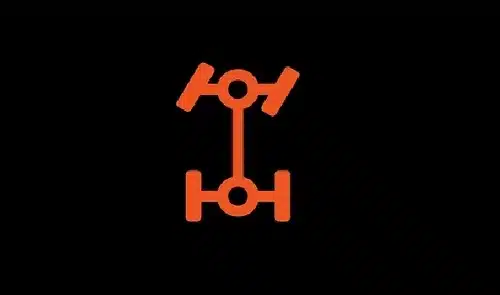
This warning indicates a malfunction in the four-wheel drive (4WD) system.
Symptoms:
- Loss of traction
- Reduced off-road performance
What to do:
- Avoid stressing the system
- Have it inspected by a professional technician
👉 This system is especially critical for off-road driving conditions.
💥 Airbag Warning Light

The airbag warning light indicates a fault in the airbag system.
Possible causes:
- Sensor malfunction
- Wiring or connection issues
- Airbag circuit failure
👉 If this light is on, airbags may not deploy in the event of an accident.
🚫 Airbag Deactivation Warning Light

This light indicates that the airbag system has been deactivated.
👉 Common situations:
- When a child seat is installed
- When manually switched off
Note:
👉 This is not a fault, but an informational indicator.
🛞 Suspension Warning Light
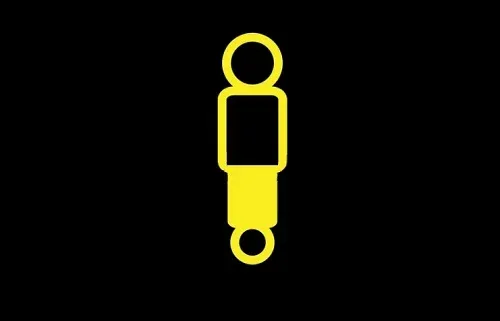
This warning light indicates a problem with the suspension system.
Possible causes:
- Faulty shock absorbers
- Sensor issues
- Electronic system errors
Symptoms:
- Rough or stiff ride
- Vehicle instability
👉 Suspension problems directly affect driving comfort and road handling.
🌫️ Air Suspension Warning Light
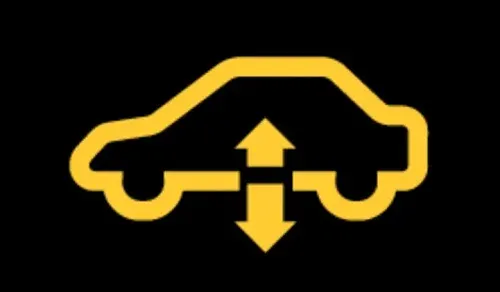
This light indicates a malfunction in the air suspension system.
Possible causes:
- Air leaks
- Compressor failure
- Valve issues
What to do:
- Drive at low speeds
- Take the vehicle to a service center
👉 Air suspension faults can negatively impact vehicle balance and safety.
Vehicle Lighting Indicators and Their Meanings
In modern vehicles, lighting systems are not only used to illuminate the road but also to communicate with other drivers and enhance overall safety. For this reason, lighting-related vehicle warning lights play a crucial role on the dashboard.
Below are the most common vehicle lighting indicators and what they mean:
💡 Low Beam Indicator Light

The low beam indicator light shows that your vehicle’s standard headlights are turned on.
Usage:
- Urban driving
- Low visibility conditions such as rain or dusk
👉 This ensures both clear visibility and that your vehicle is visible to others.
🔦 High Beam Indicator Light

The high beam indicator light indicates that your high beams are active.
Usage:
- Dark roads
- Rural or poorly lit areas
Important:
- Turn off high beams when approaching other vehicles
👉 Improper use can temporarily blind other drivers.
⚙️ Headlight Leveling System Warning Light

This warning light indicates a problem with the automatic headlight leveling system.
Function:
- Adjusts headlight angle based on vehicle load
- Prevents glare for oncoming drivers
👉 A malfunction can reduce visibility and driving safety.
🌫️ Front Fog Light Indicator

This light shows that your front fog lights are currently active.
When to use:
- Foggy conditions
- Heavy rain
- Low visibility environments
👉 Fog lights improve road visibility in challenging conditions.
🔴 Rear Fog Light Indicator

The rear fog light indicator signals that the rear fog lights are on.
Purpose:
- Makes your vehicle more visible from behind in dense fog or rain
👉 Avoid using it unnecessarily, as it may distract other drivers.
🌧️ Rain Sensor and Automatic Light Indicator
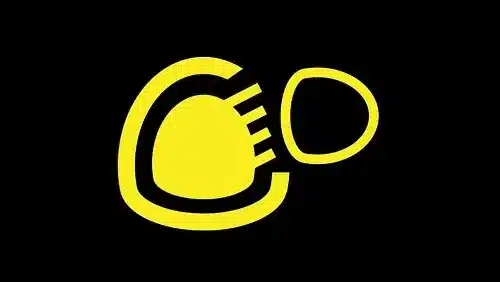
This indicator shows that the rain and light sensors are active.
How it works:
- Automatically turns on headlights when it rains
- Activates lights when ambient light decreases
👉 Provides convenience and ensures optimal visibility without driver input.
🚘 Automatic High Beam Indicator
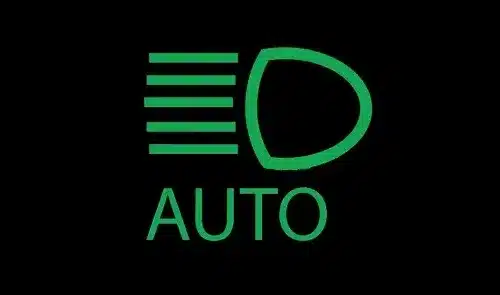
This light indicates that the automatic high beam system is active.
Function:
- Switches between high and low beams automatically
- Detects oncoming traffic
👉 Enhances night driving safety and comfort.
🔄 Adaptive Headlight System Indicator
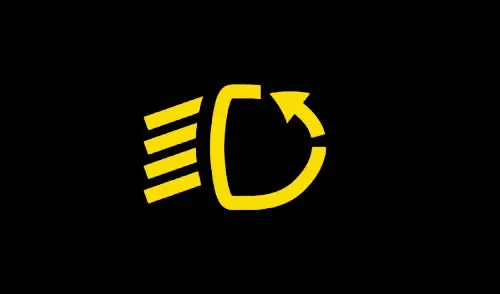
The adaptive headlight system adjusts the direction of headlights based on steering input and speed.
Benefits:
- Better visibility on curves
- Improved night driving safety
👉 Especially useful on winding or poorly lit roads.
⚠️ Exterior Lighting Fault Warning Light
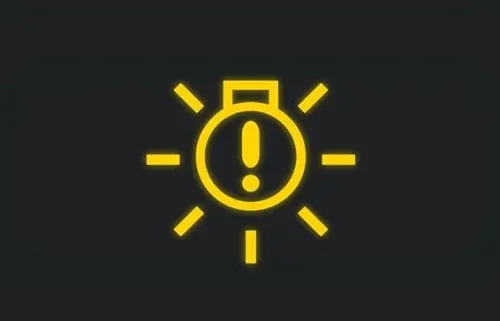
This warning light indicates a fault in the vehicle’s external lighting system.
Possible issues:
- Burnt-out headlight or taillight
- Faulty turn signal
- License plate light malfunction
What to do:
- Check all exterior lights
- Replace faulty bulbs immediately
👉 Proper lighting is essential for road safety and legal compliance.
Standard Dashboard Indicator Lights
Modern vehicle dashboards feature a range of indicator lights designed to keep drivers informed about the car’s condition and any potential issues. These symbols act as a quick communication system, alerting you to everything from routine operations to possible malfunctions. While designs may vary slightly between brands and models, most dashboard warning lights follow a common standard, making them easy to recognize. Below are some of the most frequently seen dashboard indicators and what they typically mean:
⛽ Low Fuel Warning Light
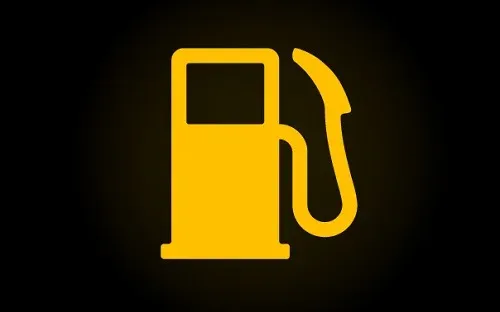
The low fuel warning light activates when the fuel level drops below a certain limit.
What it means:
- Your fuel tank is nearly empty
- Refueling is required soon
👉 Driving with very low fuel can cause the engine to stall unexpectedly and may damage the fuel system.
🔑 Key Not Detected Warning Light

This indicator appears in vehicles equipped with keyless entry and start systems.
What it means:
- The smart key is not inside the vehicle
- The engine cannot be started
👉 Always ensure the key is inside the vehicle before attempting to start it.
🛠️ Open Hood Warning Light
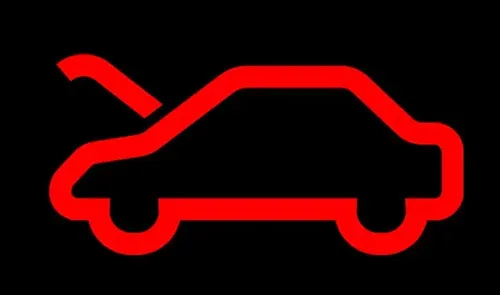
The open hood warning light indicates that the hood is not properly closed.
Why it matters:
- The hood may suddenly open while driving
- It can block the driver’s view completely
👉 Always check and secure the hood before driving.
🌬️ Cooling Fan Indicator Light

This light shows that the engine cooling fan or climate system fan is active.
What it indicates:
- The engine is being cooled
- The HVAC system is working
👉 This is usually normal and not a fault indicator.
🚪 Open Door Warning Light
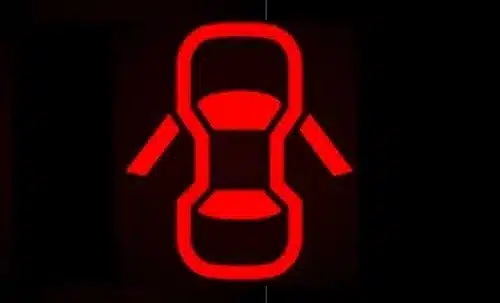
This warning indicates that one or more doors are not fully closed.
Risks:
- Passenger safety is compromised
- Doors may open while driving
👉 Make sure all doors are securely closed before moving.
🌫️ Front Windshield Defroster Indicator

This light shows that the front windshield defroster is active.
Function:
- Clears fog or ice from the windshield
- Improves visibility in cold weather
👉 Essential for safe driving in winter conditions.
💧 Windshield Washer Fluid Warning Light

This warning appears when the washer fluid level is low.
What to do:
- Refill the washer fluid reservoir
👉 A dirty windshield can significantly reduce visibility and increase accident risk.
🔲 Rear Window Defroster Indicator
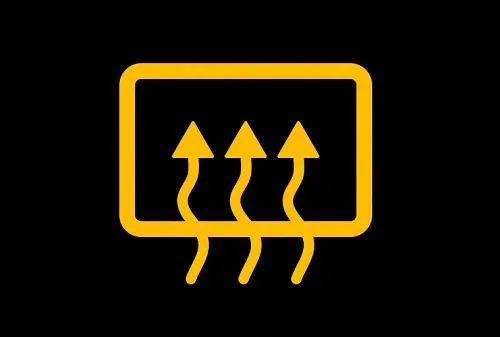
This symbol indicates that the rear window defogger is active.
How it works:
- Heating elements remove fog and ice
- Improves rear visibility
👉 Especially useful in cold or humid weather conditions.
Advanced Vehicle Indicators and Smart Driving Assist Systems
As automotive technology continues to evolve, modern vehicles are now equipped with advanced driver assistance systems (ADAS) and intelligent monitoring features. These systems communicate with the driver through specialized dashboard indicators, helping improve safety, comfort, and driving precision.
Below are some of the most important advanced vehicle indicators you may encounter, especially in newer and premium vehicles:
🚗 Convertible Roof System Warning
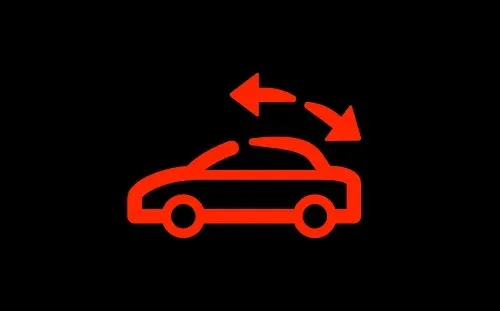
In convertible vehicles, this indicator appears when there is a problem with the roof mechanism.
What it means:
- The roof is not fully opened or closed
- There may be a mechanical or sensor issue
👉 Avoid forcing the roof mechanism and have it checked if the warning persists.
🅿️ Brake Hold System Indicator

This light shows that the Brake Hold system is active, keeping the vehicle stationary without pressing the brake pedal.
Benefits:
- Prevents rolling on slopes
- Reduces driver fatigue in traffic
👉 This is a normal function and enhances driving comfort.
🚨 Blind Spot Detection Warning
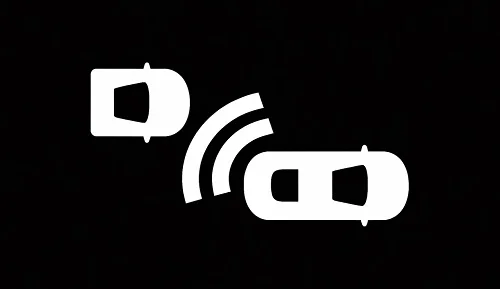
The blind spot monitoring system alerts you when another vehicle or object is detected in your blind zone.
Why it matters:
- Prevents unsafe lane changes
- Increases awareness of surrounding traffic
👉 Always check mirrors as well—this system is an assist, not a replacement.
🌧️ Automatic Windshield Wipers Indicator
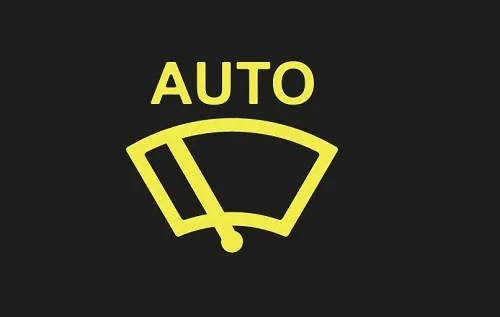
This symbol indicates that the rain-sensing wiper system is active.
How it works:
- Automatically adjusts wiper speed
- Activates when rain is detected
👉 Improves visibility without manual adjustment.
⚠️ Emergency Brake System Warning
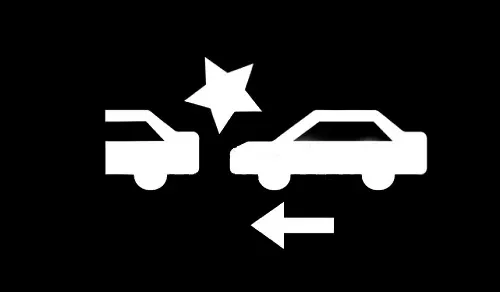
This warning appears when the automatic emergency braking system is not functioning correctly.
Possible reasons:
- Dirty or blocked sensors
- System malfunction
👉 Clean the sensors and seek service if the issue continues.
🚘 Adaptive Cruise Control Indicator
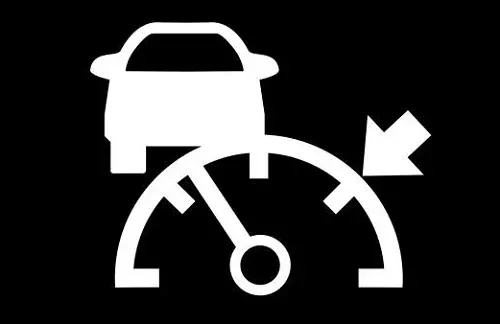
This light shows that adaptive cruise control (ACC) is active.
Function:
- Maintains a safe distance from the vehicle ahead
- Adjusts speed automatically
👉 Enhances comfort during long-distance driving.
❄️ Winter Mode Indicator

This indicator confirms that winter driving mode is enabled.
Advantages:
- Reduces wheel spin
- Improves traction on snow or ice
👉 Ideal for slippery road conditions.
🚫 Speed Limiter Indicator
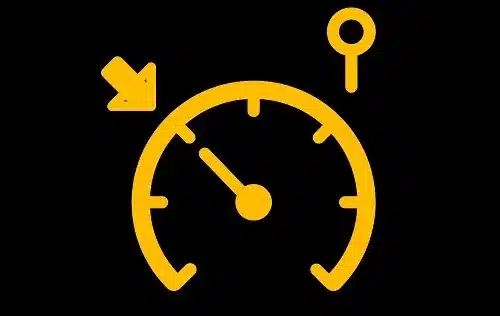
This light indicates that the speed limiter system is active.
What it does:
- Prevents exceeding a preset speed
- Helps avoid speeding violations
👉 Useful in urban areas and speed-restricted zones.
🔄 Interior Air Circulation Indicator
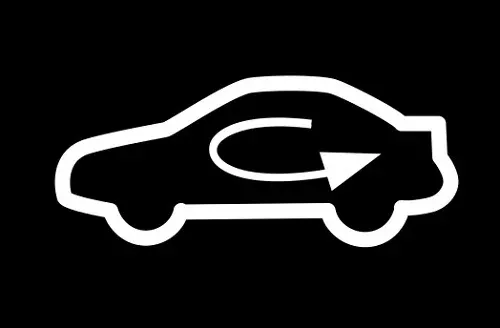
This symbol shows that the cabin air recirculation system is in use.
Benefits:
- Keeps outside air from entering
- Improves cabin air quality
👉 Especially useful in polluted environments or extreme weather.
🏎️ Rear Spoiler System Warning
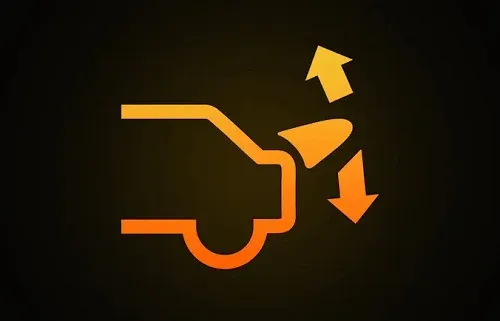
This warning light appears when there is an issue with the rear spoiler or aerodynamic system.
Why it matters:
- Affects vehicle stability at high speeds
- Impacts aerodynamic performance
👉 Have the system checked to maintain optimal driving dynamics.
🅿️ Automatic Parking Assist Indicator
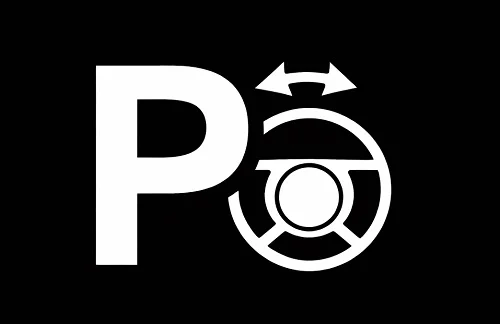
This indicator shows that the parking assist system (Parking Pilot) is active.
Features:
- Assists with steering during parking
- Detects suitable parking spaces
👉 Makes parking easier, especially in tight spaces.
🔁 Lane Change Warning Indicator
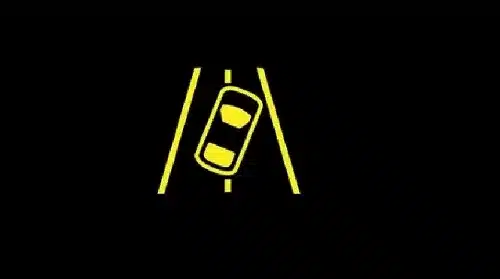
This indicator activates when the driver changes lanes without using a turn signal.
What it does:
- Alerts the driver against unsafe lane changes
- Encourages proper signaling habits
👉 Designed to improve road safety and reduce accident risk.
🛣️ Lane Keeping Assist Indicator
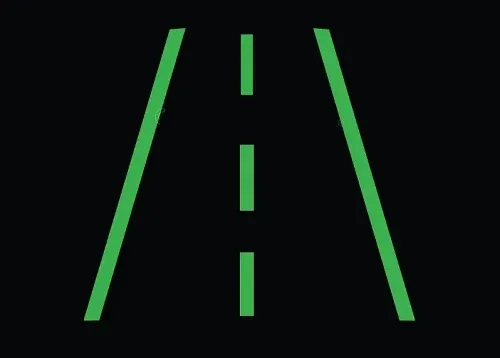
The lane keeping assist system monitors road markings and helps keep the vehicle centered in its lane.
Function:
- Detects lane boundaries
- Provides steering assistance if needed
👉 This system supports the driver but does not replace full control of the vehicle.
🔋 Key Battery Low Warning
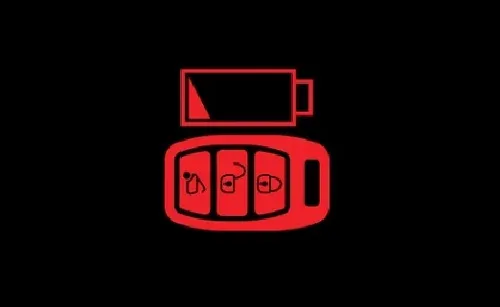
This light indicates that your smart key battery is running low.
What to do:
- Replace the key battery as soon as possible
👉 A weak key battery may prevent the vehicle from starting or locking properly.
🔑 Ignition Key System Warning
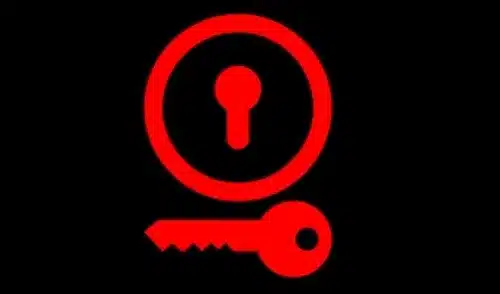
This warning signals an issue with the vehicle’s key recognition or ignition system.
Possible causes:
- Faulty key
- Signal interference
- System malfunction
👉 Have the system checked if the issue persists.
⛰️ Hill Descent Control Indicator
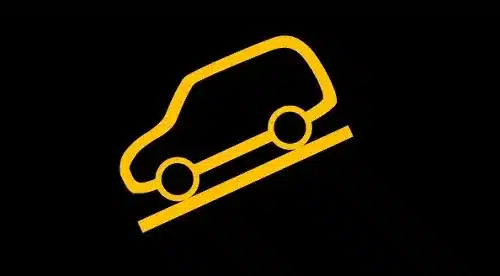
This indicator shows that the hill descent control system is active.
How it works:
- Automatically controls speed on steep descents
- Prevents loss of control on rough terrain
👉 Especially useful for off-road and steep downhill driving.
⚠️ Forward Collision Warning
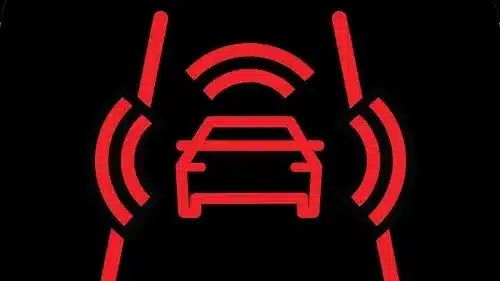
This system warns the driver when the vehicle gets too close to another object or vehicle ahead.
Key benefits:
- Reduces the risk of front-end collisions
- Provides early warning to brake
👉 Immediate driver attention is required when this warning appears.
🌱 ECO Mode Indicator

The ECO mode optimizes engine performance for fuel efficiency and lower emissions.
Advantages:
- Reduced fuel consumption
- Environmentally friendly driving
👉 Ideal for city driving and long-distance fuel savings.
🚗 Cruise Control Indicator
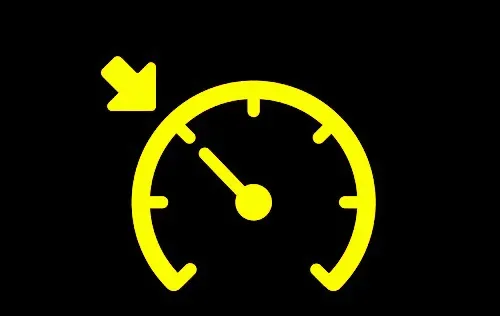
This light indicates that the cruise control system is active.
Function:
- Maintains a constant speed
- Reduces driver fatigue on long trips
👉 Always stay attentive even when cruise control is engaged.
Diesel Engine Warning Lights and Indicators
Diesel-powered vehicles include additional indicators due to their unique operating systems. These lights are crucial for maintaining engine health, fuel efficiency, and emission control.
🔥 Glow Plug Warning Light

In diesel engines, glow plugs heat the combustion chamber for easier cold starts.
What it means:
- Light turns on during ignition
- Wait until it turns off before starting the engine
👉 If the light stays on or flashes, there may be a fault in the glow plug system.
⛽ Fuel Filter Warning Light
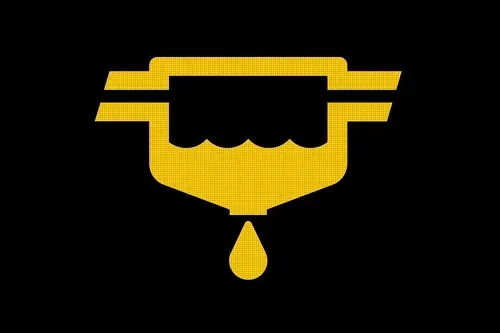
This light indicates that the fuel filter is clogged or needs attention.
Why it matters:
- Prevents contaminants from reaching the engine
- Ensures proper fuel flow
👉 Ignoring this warning can reduce engine performance and cause damage.
💧 Diesel Exhaust Fluid (DEF) Warning

This warning appears when the DEF (AdBlue) level is low.
Function of DEF:
- Reduces harmful emissions
- Supports environmental compliance
👉 Refill the DEF tank promptly to avoid performance restrictions.
🚿 Water in Fuel Filter Warning
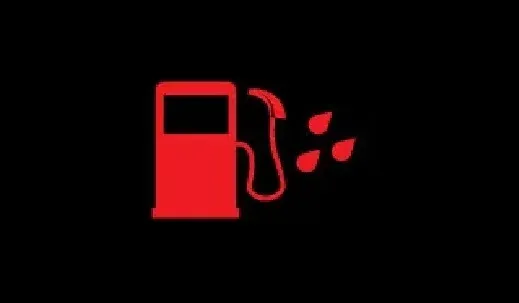
Diesel fuel may contain water particles, which are separated in the fuel filter.
What this light indicates:
- Water accumulation has reached a critical level
- The filter needs to be drained
👉 Failure to act can lead to corrosion, freezing, and serious engine damage.
Final Note on Advanced Indicators
Understanding these modern vehicle warning lights is essential for:
- Preventing costly repairs
- Maintaining vehicle safety
- Ensuring long-term performance
👉 Always take warning lights seriously and consult a professional when needed.
Frequently Asked Questions
What should I do when a red warning light appears on my dashboard?
When a red warning light appears, it usually indicates a serious and urgent problem that requires immediate attention. You should safely pull over as soon as possible, turn off the engine if necessary, and avoid continuing to drive. Ignoring red warnings—such as oil pressure, brake system, or engine overheating—can lead to severe engine damage or safety risks. It is strongly recommended to consult a professional mechanic immediately.
Are yellow or orange warning lights dangerous?
Yellow or orange warning lights are not always immediately dangerous, but they indicate that something needs attention soon. These warnings often relate to systems like ABS, engine management, or sensors. While you may continue driving cautiously, ignoring these lights for too long can cause bigger and more expensive problems over time. It’s best to diagnose and fix the issue as early as possible.
Can I continue driving if a warning light is on?
It depends on the color and type of the warning light.
– Red lights: Stop driving immediately.
– Yellow/orange lights: Drive carefully and schedule a check-up soon.
– Green/blue lights: Informational, no action needed.
Continuing to drive without understanding the warning can lead to unexpected breakdowns or unsafe driving conditions.
Why do diesel vehicles have different warning lights?
Diesel vehicles operate differently from gasoline engines, which is why they include additional warning indicators such as glow plug, fuel filter, and DEF (AdBlue) warnings. These lights help monitor combustion efficiency, emissions, and fuel quality. Ignoring these indicators can lead to starting issues, reduced performance, or even engine damage, especially in cold weather or poor fuel conditions.
How can I prevent warning lights from appearing in my vehicle?
The best way to avoid warning lights is through regular maintenance and proactive care. This includes:
– Checking engine oil, coolant, and brake fluid levels regularly
– Replacing filters (air, fuel, oil) on time
– Monitoring tire pressure
– Keeping sensors and electrical connections clean
Routine servicing ensures your vehicle runs efficiently and helps prevent unexpected faults and costly repairs in the long run.