Oil Pressure Warning Light: What It Means and What to Do Immediately
What the Oil Pressure Warning Light Means
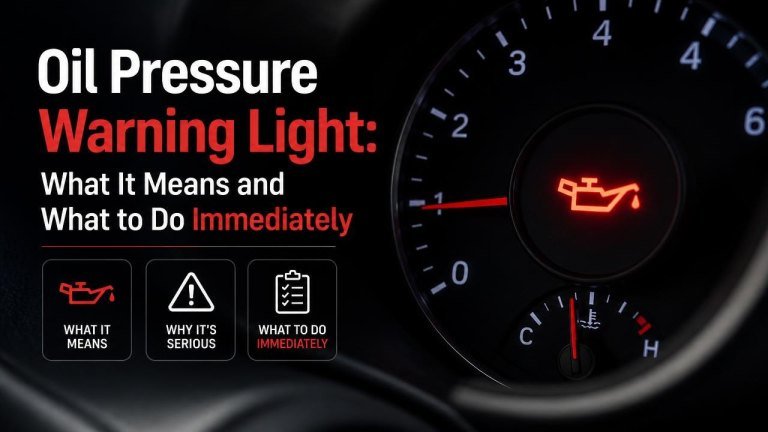
The oil pressure warning light usually looks like an oil can and may appear red on the dashboard. It indicates that the engine’s oil pressure is too low, not necessarily that the oil level is empty. Because engine components rely on a steady flow of oil for lubrication and cooling, low pressure can cause serious internal damage within a short time.
The light may turn on briefly when you switch on the ignition before the engine starts. That is normal. It becomes a concern if it stays illuminated after startup, appears while driving, or flashes repeatedly.
What to Do Immediately
If the warning light comes on while driving, take action promptly. Continuing to drive with low oil pressure can damage bearings, the crankshaft, camshaft, or other vital engine parts.
- Safely pull over as soon as possible. Avoid sudden braking or stopping in an unsafe location.
- Turn off the engine and do not keep it running while you investigate the warning.
- Wait a few minutes on level ground, then check the oil level using the vehicle’s dipstick if it is safe to do so.
- If the level is low, add the correct engine oil specified in the owner’s manual. Add it gradually and avoid overfilling.
- Restart the engine only if the oil level was low and you have corrected it. If the light remains on, switch the engine off immediately.
- Arrange professional assistance or have the vehicle towed if the warning returns, the engine sounds abnormal, or the oil level is normal.
Common Causes of Low Oil Pressure
A low oil pressure warning can have a simple cause, but it can also point to a major mechanical problem. A proper diagnosis is important because adding oil will not fix every fault.
Low or Leaking Engine Oil
The most straightforward cause is an oil level that has fallen below the safe range. Oil may be lost through a leaking gasket, damaged seal, loose drain plug, or other external leak. A burning-oil smell, oil spots beneath the vehicle, or visible smoke may provide additional clues.
Faulty Oil Pressure Sensor
The warning may be caused by a defective oil pressure sensor, damaged wiring, or a dashboard fault. Even if the engine seems to run normally, do not assume the light is harmless. The actual pressure should be tested with the proper diagnostic equipment before the vehicle is driven further.
Worn Engine Components or a Failing Oil Pump
An aging or damaged oil pump may not circulate oil effectively. Excessive clearance in engine bearings can also allow oil pressure to drop. These problems may be accompanied by ticking, knocking, or rattling noises, especially as the engine warms up.

Can You Drive With the Oil Pressure Light On?
Driving with the oil pressure light illuminated is generally unsafe. This warning is different from a routine maintenance reminder: it can signal an immediate risk to the engine. Even a short drive may turn a manageable repair into extensive engine damage.
If the light appears only briefly during sharp turns or hard braking, the oil level may be close to the minimum mark, allowing the oil pickup to draw air temporarily. Check the level as soon as it is safe, but do not ignore a recurring warning.
How to Check the Engine Oil Safely
Park on a level surface, switch off the engine, and allow the oil to settle for several minutes. Remove the dipstick, wipe it clean, reinsert it fully, and remove it again to check the oil level. The oil should normally sit between the marked minimum and maximum areas.
Use only the recommended oil grade listed in the owner’s manual. If the oil looks contaminated, smells strongly of fuel, or has a milky appearance, do not rely on topping it up as a solution. Seek professional advice.
When to Call for a Tow
Have the vehicle towed rather than driven if the warning light remains on, the oil level is normal, oil is visibly leaking, or the engine makes unusual mechanical sounds. Towing is especially important when there is knocking or grinding, smoke, overheating, or a sudden loss of engine power.
A mechanic can measure actual oil pressure, inspect for leaks, check the sensor and wiring, and examine the oil pump and internal components. This diagnosis helps separate an electrical warning fault from a genuine lubrication problem.
How to Help Prevent Oil Pressure Problems
- Check the oil level regularly, especially before long trips.
- Follow the vehicle manufacturer’s oil-change schedule.
- Use the correct oil specification and a suitable replacement filter.
- Pay attention to oil spots, unusual smells, and new engine noises.
- Repair leaks promptly rather than repeatedly topping up the oil.
The best response to an oil pressure warning is simple: stop safely, switch off the engine, check the oil level, and get professional help if the warning does not disappear. Acting quickly can protect the engine and prevent a much more expensive failure.