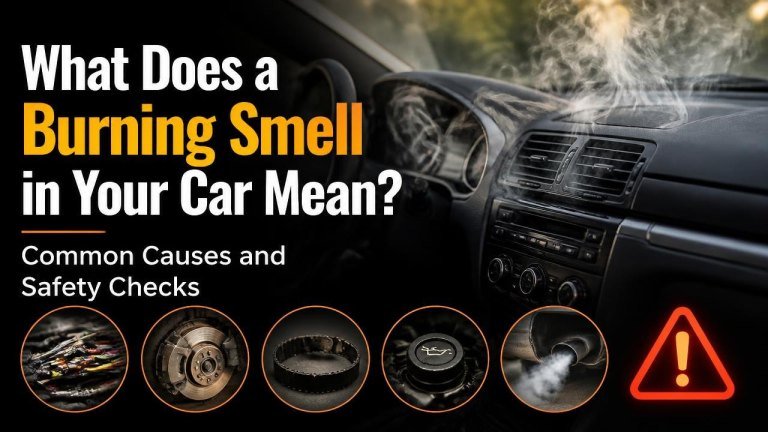
A burning smell in your car should never be ignored. Some causes are minor, such as debris touching a hot exhaust component, but others can involve brakes, engine fluids, or electrical wiring. Identifying the odor and noticing when it occurs can help you make a safer decision.
What to Do When You Notice a Burning Smell
First, stay calm and look for signs that the vehicle may be unsafe. Watch for smoke, warning lights, unusual noises, or changes in braking and steering. If the smell becomes strong or the car behaves differently, pull over in a safe location, switch off the engine, and leave the vehicle if necessary.
Do not open the coolant reservoir while the engine is hot, and avoid touching the engine, brakes, or exhaust. If you see flames, heavy smoke, or leaking fuel, move away from the car and contact emergency services. Otherwise, arrange a professional inspection before continuing to drive.
Common Causes of a Burning Smell
Different materials produce different odors, but smells can overlap. The timing, location, and visible symptoms are often just as important as the smell itself.
Overheated Brakes
A sharp, acrid smell after heavy braking or driving down a steep hill may indicate overheated brake pads or rotors. A sticking caliper can also keep a brake partially applied, creating excessive heat even during ordinary driving and signaling brake problems that need attention.
Allow the brakes to cool in a safe place, but do not pour water over them. If the car pulls to one side, the brake pedal feels unusual, or the smell returns quickly, have the braking system checked before driving farther.
Slipping Clutch
In a manual-transmission car, a smell similar to burned paper or hot friction material may come from a slipping clutch. It can happen when starting on a hill, carrying a heavy load, or repeatedly holding the car with the clutch pedal.
Signs of a worn clutch include rising engine speed without a matching increase in road speed, difficulty selecting gears, or a biting point that feels unusually high. Continued slipping can cause more damage, so schedule an inspection promptly.
Oil or Other Fluid Leaks
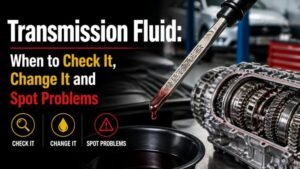
Leaking oil, transmission fluid, power-steering fluid, or another lubricant can land on a hot exhaust or engine component and create a burning oil smell. You may also notice dark spots beneath the vehicle or light smoke from the engine bay.
Check fluid levels only when it is safe and according to the owner’s manual. A low oil level, an expanding leak, or smoke from under the hood requires prompt professional attention.
Electrical Problems
An odor resembling burning plastic, melted insulation, or hot electronics may indicate an electrical fault. Damaged wiring, an overloaded circuit, or a failing component can generate heat and potentially start a fire.
Turn off unnecessary electrical accessories and stop driving if the smell persists, especially if lights flicker, a fuse repeatedly blows, or smoke appears. Do not attempt to repair damaged wiring unless you are qualified to do so.
Serpentine Belt or Rubber Components
A hot rubber smell can come from a slipping or damaged serpentine belt, a seized pulley, or a hose contacting a moving or hot part. You may hear squealing, chirping, or grinding from the front of the engine.
Because the belt may operate the alternator, water pump, or other systems, a failure can leave you stranded or cause overheating. Have the vehicle inspected rather than continuing to drive with persistent noise or odor.
Debris on the Exhaust
Leaves, plastic, or road debris can become trapped against a hot exhaust system and produce a temporary burning odor. This is more likely after parking over dry vegetation or driving through areas with loose debris.
Once the car has cooled completely, look beneath it without reaching near hot components. Remove only debris that is clearly safe to reach; otherwise, ask a technician to inspect the exhaust system.
Simple Safety Checks You Can Make
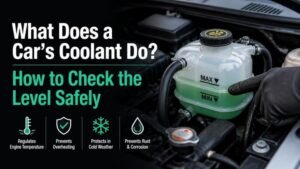
After parking safely and allowing the vehicle to cool, perform a visual check. Look for fresh fluid spots, melted plastic, damaged belts, loose hoses, or smoke residue, including signs of a coolant leak. Check the dashboard for warning lights and note whether the smell came from the engine bay, wheels, cabin, or exhaust.
- Check whether the smell appears only after braking, accelerating, or using the heater.
- Look for a visibly low tire or a wheel that seems unusually hot, but do not touch the wheel directly.
- Check engine oil and other accessible fluids only as described in the owner’s manual.
- Note the smell’s character, such as oily, rubbery, chemical, or electrical, to tell the technician.
These checks can provide useful clues, but they do not replace a professional diagnosis. Avoid crawling under a vehicle supported only by a jack.
When You Should Stop Driving
Stop as soon as it is safe if you see smoke, smell fuel, notice a rapidly worsening odor, or see a warning light related to temperature, oil pressure, or the engine, especially an oil pressure warning light. You should also stop if the brakes feel weak, the steering changes, or the vehicle loses power.
Do not restart a car that is smoking heavily or showing signs of fire. Move away from traffic, keep people clear of the vehicle, and call for roadside assistance or emergency help as appropriate.
How a Mechanic Can Find the Source
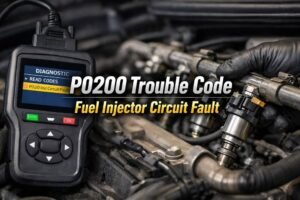
A technician will usually begin with a visual inspection and may check for fluid leaks, abnormal brake temperatures, belt damage, electrical faults, and stored diagnostic codes. They may also inspect components that are difficult to see from above or below the vehicle.
Tell the mechanic when the smell occurs, how long it lasts, whether it follows a repair, and whether any dashboard warnings appeared. These details can make the diagnosis faster and help distinguish a temporary odor from an urgent fault.
Final Takeaway
A burning smell can come from overheated brakes, a slipping clutch, leaking fluid, electrical wiring, a belt, or debris on the exhaust. Treat any unfamiliar odor as a warning, complete only safe visual checks, and arrange an inspection if the smell persists or returns. When there is smoke, fire risk, or a change in vehicle control, stop driving immediately and seek help.