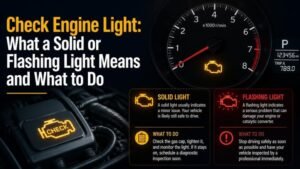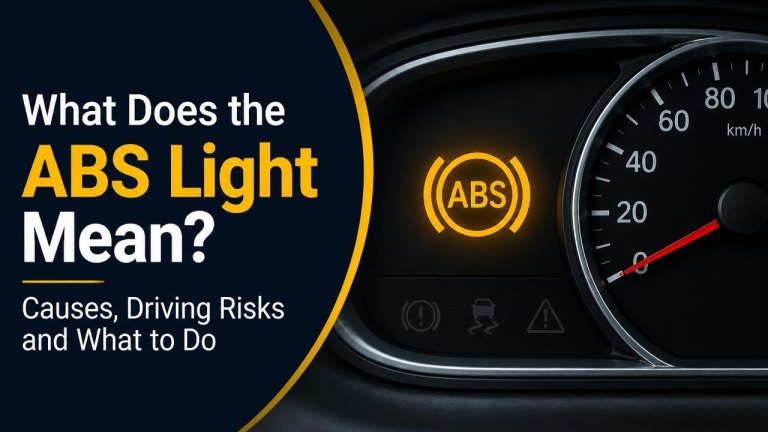
The ABS light is a warning that your vehicle’s anti-lock braking system has detected a fault. It does not always mean the regular brakes have failed, but it can mean you may lose important braking assistance during an emergency stop.
Understanding the warning early can help you make a safer decision, avoid unnecessary damage, and arrange the right repair. Here is what the ABS light means, what commonly causes it, and what to do when it appears.
What Does the ABS Light Mean?
The ABS light usually means the vehicle has stored a fault in the anti-lock brake system. ABS helps prevent the wheels from locking during hard braking, allowing you to maintain more steering control while slowing down.
When the warning remains illuminated after the engine starts, the system may have been switched off or limited. Your conventional hydraulic brakes may still work, but the vehicle might not provide pulsing brake pressure when a wheel is close to locking.
ABS Light Versus the Brake Warning Light
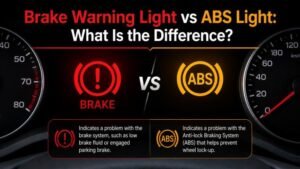
These dashboard warnings do not mean exactly the same thing. The ABS light points to a fault in the anti-lock system, while a red brake warning light can indicate a more urgent issue involving brake fluid, the parking brake, or another part of the braking system.
If the ABS light and red brake warning light appear together, treat the situation as potentially serious. You may have reduced braking performance, so arrange a professional inspection promptly and avoid driving unless it is clearly safe.
Common Causes of an ABS Warning Light
Several faults can trigger the warning. A diagnostic scan is normally needed to identify the exact cause, because the light itself does not identify the failed component.
Faulty Wheel-Speed Sensor
Each monitored wheel typically has a sensor that reports its speed to the ABS control unit. A damaged sensor, contaminated sensor tip, or sensor or wiring problem can produce an inaccurate signal and disable wheel-speed monitoring.
Symptoms may include an ABS light, traction-control warning, or electronic stability-control warning. In some cases, the problem appears after road debris, corrosion, or work near the wheel hub.
Damaged Tone Ring or Wheel Bearing
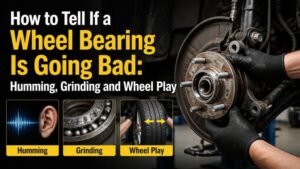
The wheel-speed sensor reads a toothed ring or magnetic encoder associated with the hub or axle. A cracked, corroded, or damaged tone ring can disrupt the signal. Excessive play in a worn wheel bearing may also affect sensor readings.
Unusual humming, looseness, or noise from one wheel is an important clue. These problems should not be ignored because a bearing or hub fault can affect more than ABS operation.
Low Brake Fluid or Hydraulic Problems
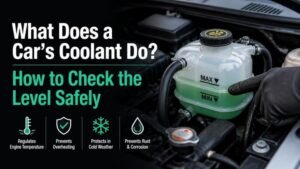
Some vehicles may illuminate ABS-related warnings when brake fluid is low or when the hydraulic system detects a pressure issue. Low fluid can result from worn brake pads, a leak, or another fault requiring attention.
Check the fluid level only as described in the owner’s manual. A low level accompanied by a soft brake pedal, visible leak, or red brake warning light requires immediate caution.
Electrical or Control-Unit Faults
Blown fuses, damaged wiring, poor electrical connections, and faults in the ABS control module can all trigger the warning. A weak battery or low system voltage may also cause temporary warnings during startup.
Because these faults can look similar, proper fault-code diagnosis is more reliable than replacing parts based on guesswork.
Is It Safe to Drive With the ABS Light On?
If only the ABS light is illuminated and the brake pedal feels normal, the standard brakes may still operate. However, the vehicle may not have anti-lock protection during hard braking, particularly on wet, icy, loose, or uneven surfaces.
Drive cautiously only far enough to reach a safe location or repair facility when conditions allow. Increase your following distance, avoid sudden braking, and reduce speed. Do not continue driving if the brake pedal feels abnormal, the car pulls to one side, the red brake light is on, or stopping performance has changed.
What to Do When the ABS Light Comes On
- Stay calm and check whether other warning lights have appeared.
- Test the brake pedal gently in a safe location. Pay attention to a soft pedal, unusual vibration, pulling, or reduced stopping power.
- Check that the parking brake is fully released and consult the owner’s manual for relevant warnings.
- Arrange an ABS diagnostic scan with a qualified repair shop.
- Do not erase the warning repeatedly without repairing the underlying fault.
Can You Reset the ABS Light?
A scan tool may clear the warning after a repair, but resetting it does not fix the problem. If the fault remains, the light will usually return after the vehicle performs its system checks.
Some warnings may disappear after a temporary voltage or sensor issue, but a recurring light still deserves inspection. The safest approach is to identify the stored diagnostic trouble code and confirm that the ABS system passes its self-test.
How a Mechanic Diagnoses the Problem
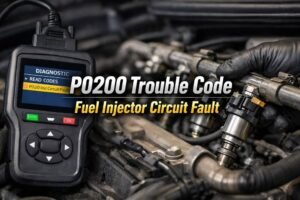
A technician usually begins by scanning the ABS control unit, inspecting the relevant wheel and wiring, and comparing live wheel-speed data. They may then check the sensor signal, tone ring, hub, fuse, fluid level, and electrical connections.
The repair could involve cleaning or replacing a sensor, repairing wiring, servicing a hub or bearing, correcting a hydraulic fault, or addressing the control module. The correct solution depends on the vehicle’s fault codes and physical inspection.
How to Reduce ABS Problems
Regular brake maintenance can help identify related issues before they become more serious. Have brake components inspected during routine service, keep wheels and hubs free from excessive contamination, and respond promptly to new noises or warning lights.
Use the correct brake fluid and follow the maintenance schedule in the owner’s manual. Avoid ignoring intermittent warnings, since an occasional fault may become a permanent loss of ABS assistance.
Bottom Line
The ABS light means the anti-lock braking system has detected a problem and may not be available when you need it most. Your regular brakes may still work, but the vehicle can have less control during emergency stops.
Drive carefully only when braking feels normal, treat additional brake warnings as urgent, and arrange a professional diagnosis rather than simply clearing the light. Prompt attention helps protect your stopping control, vehicle safety, and confidence on the road.