Brake fluid is easy to overlook because it is hidden under the hood, yet it plays a critical role every time you press the brake pedal. It transfers pressure from the master cylinder to the wheel brakes, allowing the vehicle to slow and stop safely.
Like other fluids, brake fluid can deteriorate. Understanding when to replace it, how to inspect it and which symptoms deserve attention can help protect braking performance and prevent avoidable repairs.
What brake fluid does
Brake fluid is a hydraulic fluid designed to withstand high temperatures while transmitting force through the braking system. When you press the pedal, the fluid moves through brake lines and hoses to operate components such as calipers or wheel cylinders.
Because the system depends on consistent hydraulic pressure, clean fluid, stable performance and sealed brake components are all important. If air, water or another contaminant enters the system, pedal feel and braking performance may change.
When should brake fluid be changed?
The correct interval depends on the vehicle manufacturer, the brake-fluid type, driving conditions and the condition of the fluid. Always start with the owner’s manual or the manufacturer’s fluid maintenance schedule.
Many vehicles require periodic fluid replacement even when the fluid level appears normal. A visual level check cannot reliably show the fluid’s moisture content or boiling performance. Pay attention to the recommended service interval, vehicle usage and fluid condition.
Situations that may require earlier service
Brake fluid may need attention sooner if the vehicle is driven in humid conditions, used for towing, operated in mountainous areas or subjected to frequent heavy braking. A vehicle that has had brake components replaced may also need bleeding or fluid replacement if the system was opened.
Earlier inspection is sensible after a brake-system repair, when the pedal feels unusual or if the fluid has been exposed to contamination. Do not rely on a fixed interval alone when symptoms suggest a problem.
How to check the brake-fluid level
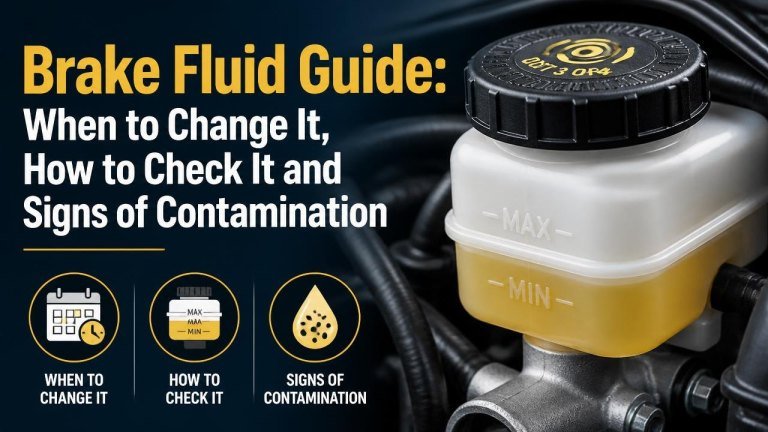
Park on a level surface, switch off the engine and allow the vehicle to cool. Locate the brake-fluid reservoir, which is usually mounted near the rear of the engine bay and connected to the master cylinder. If you are unsure, consult the owner’s manual.
- Check that the reservoir is upright and easy to read.
- Compare the fluid level with the MIN and MAX markings.
- Inspect the area around the reservoir for wetness, dirt or signs of leakage.
- Replace the cap securely after inspection.
The level should normally remain within the marked range. A small change can occur as brake-pad wear progresses, but a sudden or continuing drop may indicate a leak or another fault. Never simply keep adding fluid without finding out why the level is low.
How to check brake-fluid condition
Fresh brake fluid is usually clear to amber, depending on its specification. Over time, it may become darker, cloudy or visibly dirty. Color alone is not a definitive test, but a noticeable change can justify professional inspection.
Moisture testing equipment can help assess water contamination, while a workshop can also check the system for leaks and confirm that the correct fluid is installed. Look for darkened fluid, cloudiness and debris, but avoid opening the reservoir unnecessarily because brake fluid can absorb moisture from the air.
Use the correct brake-fluid specification
Brake-fluid specifications are not interchangeable simply because the containers look similar. Use only the type listed by the vehicle manufacturer, such as the required DOT specification. Mixing incompatible products or using the wrong fluid can damage components and affect braking performance.
Keep the container clean and tightly sealed. Use fluid from a suitable container and never substitute engine oil, power-steering fluid or another hydraulic product.
Signs of contaminated or deteriorated brake fluid
Contaminated fluid may not produce an obvious warning at first. However, several signs can indicate that the system needs inspection:
- A soft or spongy pedal, especially after repeated braking.
- A pedal that feels unusually low or requires more travel.
- Brake fluid that appears very dark, cloudy or contains visible particles.
- Reduced braking performance after heavy use, which may suggest moisture-related boiling.
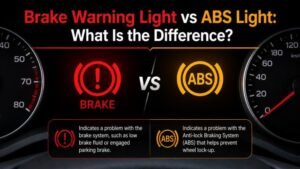
- A warning light, fluid loss or visible leakage near a wheel, hose or master cylinder.
These symptoms can also be caused by worn brake pads, air in the lines, a failing master cylinder or other mechanical problems. Treat them as reasons for a prompt inspection rather than proof that fluid alone is the cause.
Why moisture in brake fluid matters
Most common brake fluids are hygroscopic, meaning they can absorb moisture over time. Water lowers the fluid’s boiling point, which can create vapor during severe braking. Vapor is compressible, while brake fluid is intended to transmit pressure consistently.
Moisture can also contribute to internal corrosion in brake lines, calipers and other components. That is why boiling-point protection, corrosion resistance and regular maintenance matter even if the reservoir looks reasonably clean.
Can you change brake fluid yourself?
Brake-fluid replacement requires more than draining the reservoir. The system usually needs to be flushed and bled in the correct sequence so that old fluid and air are removed without introducing new contamination.
Home maintenance may be appropriate for someone with the right tools, vehicle-specific instructions and safe lifting equipment. However, braking systems are safety-critical. If you are unsure about the bleeding procedure, fluid specification or leak diagnosis, use a qualified technician.
Brake fluid damages paint and some finishes, so clean spills immediately with plenty of water and follow the product and vehicle safety guidance. Keep opened fluid containers sealed and dispose of used fluid through an appropriate waste facility.
Brake-fluid maintenance checklist
- Follow the vehicle manufacturer’s replacement schedule.
- Check the reservoir level on a level surface.
- Look for leaks, damaged caps and contamination around the reservoir.
- Use only the specified brake-fluid type.
- Arrange an inspection if the pedal feels soft, low or inconsistent.
- Do not ignore a brake warning light or rapidly falling fluid level.
Final thoughts
Brake fluid should be treated as a service item, not a lifetime fluid. Regular checks can identify a low level or visible contamination, but they cannot replace the manufacturer’s maintenance schedule or a proper moisture and braking-system inspection.
By monitoring fluid level, pedal feel and service timing, you can spot potential problems earlier and help maintain reliable braking performance through regular vehicle safety checks.