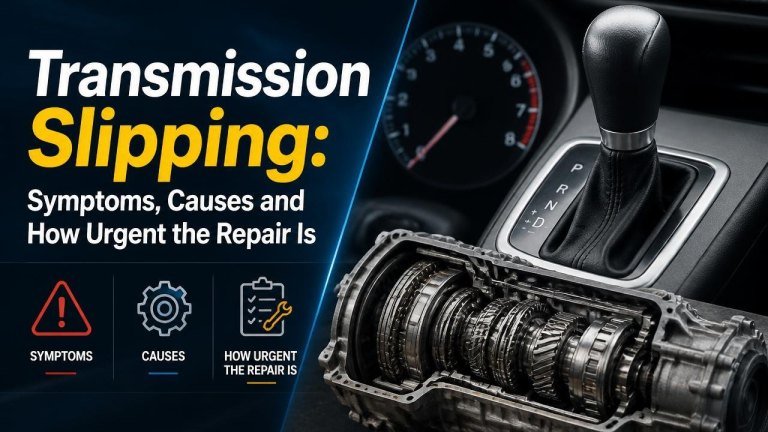
Transmission Slipping: Symptoms, Causes and How Urgent the Repair Is
Transmission slipping happens when the transmission fails to stay in the selected gear or deliver engine power smoothly to the wheels. The problem may begin with a brief hesitation, but it can become more serious if ignored. Recognizing early warning signs, understanding likely causes, and arranging a timely professional inspection can help prevent further damage.
What Does a Slipping Transmission Feel Like?
A slipping transmission may feel different depending on whether the vehicle has an automatic or manual gearbox. In general, the engine speed rises without a matching increase in road speed. You may also notice delayed acceleration, unexpected gear changes, or a feeling that the vehicle is not responding normally.
Some drivers describe the sensation as if the transmission briefly goes into neutral before engaging again. Others notice car shaking when accelerating, poor hill-climbing ability, or a sudden change in engine sound. Any repeated change in the relationship between engine speed and vehicle movement deserves attention.
Common Symptoms of Transmission Slipping
Transmission problems often provide several clues before complete failure. Watch for the following symptoms:
- Engine revs rising: The engine may rev higher while the vehicle accelerates slowly or not at all.
- Delayed engagement: There may be a pause after selecting Drive or Reverse before the vehicle moves.
- Harsh or erratic shifting: Gear changes may feel abrupt, rough, or unpredictable.
- Loss of power: The vehicle may struggle to maintain speed, especially on hills or during acceleration.
- Burning smell: Overheated transmission fluid can produce a sharp or burnt odor.
- Unusual noises: Whining, humming, buzzing, or clunking may indicate an internal or related fault.
- Fluid leaks: Red, brown, or unusually dark fluid beneath the vehicle may point to a transmission issue.
- Warning lights: A check-engine or transmission warning light can appear when the control system detects a problem.
Why Is the Transmission Slipping?
Several issues can cause slipping, and the correct repair depends on accurate diagnosis. A symptom that feels like slipping may sometimes originate elsewhere in the drivetrain or engine management system.
Low or Worn Transmission Fluid
Automatic transmissions rely on fluid for lubrication, hydraulic pressure, and heat control. A low fluid level can result from a leak, while old or contaminated fluid may lose its ability to protect internal components. Either condition can cause delayed engagement, slipping, or overheating.
Worn Clutches or Bands
Automatic transmissions use internal clutch packs and, in some designs, bands to hold gears in place. With wear, these parts may no longer grip effectively. Manual transmissions can develop similar symptoms when the clutch disc is worn or the clutch system cannot fully engage.
Solenoid or Valve Body Problems
Electronic solenoids and the valve body control fluid flow inside many automatic transmissions. A sticking valve, electrical fault, or restricted passage can create incorrect shift timing, poor hydraulic pressure, and intermittent slipping.
Sensor or Control-System Faults
Modern vehicles use sensors and a transmission control module to select gears and manage pressure. Faulty speed sensors, wiring, or software-related control problems can cause unexpected shifting or prevent the transmission from engaging the proper gear.
Overheating or Internal Damage
Excessive heat accelerates fluid breakdown and can damage seals, clutch material, and other internal components. Towing, heavy loads, repeated stop-and-go driving, or an existing cooling problem may increase transmission temperature and worsen internal wear.
How Urgent Is a Slipping Transmission?
A slipping transmission should generally be treated as a prompt repair issue, even if the vehicle still drives. Continuing to drive can turn a smaller fluid, sensor, or adjustment problem into more extensive internal damage, including severe overheating.

Stop driving and seek assistance if the vehicle cannot move reliably, loses power in traffic, produces a strong burning smell in your car, leaks heavily, or shifts violently. These signs may create a safety risk and indicate severe overheating or mechanical failure.
If the slipping is occasional and there are no severe noises, leaks, or warning signs, drive only as necessary and arrange an inspection soon. Avoid towing, hard acceleration, and long trips until the cause is identified.
Can You Drive With a Slipping Transmission?
Driving a short distance to a repair facility may be possible in mild cases, but there is no reliable way to predict how quickly the condition will worsen. Slipping can become complete loss of drive with little warning. The safest approach is to limit driving distance, avoid heavy loads, and stop if the symptoms intensify.
Do not assume that adding fluid will solve the problem. The correct fluid type and level matter, and an incorrect level can also cause damage. If you inspect the fluid, follow the vehicle manufacturer’s procedure and never work beneath an unsupported vehicle.
How a Transmission Problem Is Diagnosed
A technician will usually begin by confirming the symptoms and checking for related faults. Diagnosis may include:
- Inspecting for fluid leaks and checking fluid condition and level.
- Scanning for diagnostic trouble codes.
- Testing shift behavior during a controlled road test.
- Checking electrical connections, sensors, and solenoids.
- Measuring hydraulic or line pressure when appropriate.
- Inspecting the clutch system, drivetrain, or other components that can mimic transmission slipping.
An accurate diagnosis is important because similar symptoms can come from a worn clutch, engine misfire, failing axle, damaged mount, or an electronic control problem. Replacing parts without testing may not correct the original fault.
Possible Repairs
Repair options range from relatively simple maintenance to major transmission work. A technician may recommend a fluid service, leak repair, electrical repair, sensor replacement, or solenoid service if the transmission is otherwise sound.
More advanced wear may require rebuilding or replacing internal components such as clutch packs, seals, bearings, or a torque converter. For a manual vehicle, the solution may involve a clutch replacement rather than replacing the transmission itself. The appropriate repair depends on the vehicle, failure pattern, maintenance history, and inspection results.
How to Reduce the Risk of Future Transmission Problems
Regular maintenance can help protect the transmission and reveal developing problems earlier. Follow the manufacturer’s service recommendations for fluid inspection and replacement, and repair leaks promptly.
Use the correct fluid, avoid carrying or towing loads beyond the vehicle’s limits, and allow the drivetrain to operate normally rather than relying on aggressive acceleration. If the vehicle has a transmission temperature warning or begins shifting differently, arrange an inspection before the problem becomes severe.
Bottom Line
A slipping transmission is not a symptom to ignore. Rising engine revs, delayed engagement, harsh shifts, burning odors, and loss of acceleration can all indicate a developing problem. Arrange a professional diagnosis promptly, limit driving until the cause is known, and stop using the vehicle if it becomes unsafe or unreliable.