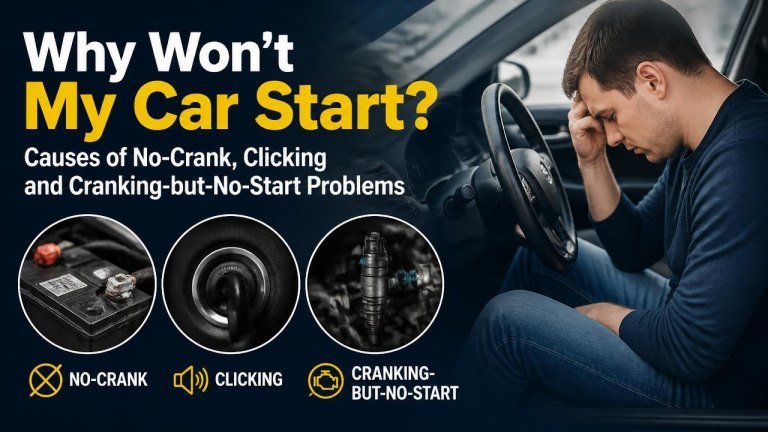
Few things are more frustrating than turning the key or pressing the start button and hearing nothing—or hearing the engine crank without actually starting. The good news is that the sound and behavior often provide useful clues.
First, identify what happens when you try to start the car
Pay attention to whether the engine does not turn at all, makes a clicking sound, or cranks normally but fails to run. Also notice the dashboard lights, headlights, warning messages, and any unusual smells. These details can quickly narrow down the likely cause.
What causes a no-crank problem?
A no-crank condition means the engine does not rotate when you turn the key or press the start button. You may hear silence, a single click, or a faint electrical sound. Common causes include a weak battery, poor electrical connections, a failed starter motor, or a problem with the ignition or safety switch.
Dead or weak battery
A discharged battery is one of the most common reasons a car will not start. Interior lights may still work because they require far less power than the starter. However, dim headlights, slow power windows, or fading dashboard lights can point to a low battery charge.
Check whether the battery terminals are loose or covered with corrosion. If you have suitable equipment and know how to use it safely, a battery test can confirm whether the battery is able to deliver sufficient starting power. A jump-start may get the car running temporarily, but the battery and charging system should still be checked.
Loose battery cables or poor ground connection
Even a healthy battery cannot power the starter if the cables are loose, damaged, or heavily corroded. Inspect the positive cable, negative cable, and engine ground connection for visible problems. Do not disconnect or manipulate battery cables while the engine is running, and seek professional help if the connections are difficult to access.
Starter motor or starter relay failure
If the battery and connections appear healthy, the starter may be failing. A single solid click can indicate that the starter solenoid is receiving power but the motor is not turning. A faulty relay, wiring problem, or worn internal starter components can produce similar symptoms.
Park, neutral, or clutch safety switch problem
Automatic vehicles generally require the transmission to be in Park or Neutral. Try starting in Neutral if the vehicle allows it, while keeping your foot firmly on the brake. Manual vehicles may not crank if the clutch switch is not registering that the pedal is fully depressed. If the car starts only intermittently, the selector or safety switch may need inspection.
Why does the car only click when starting?
Clicking can mean different things. A rapid series of clicks often suggests insufficient battery power, while one loud click may point toward a starter circuit problem. Clicking can also result from loose battery terminals or damaged cables, so replacing the battery without checking the connections may not solve the issue.
Turn off accessories such as the lights, climate control, and audio system, then try starting again. If the dashboard lights become very dim during the attempt, the battery or its connections deserve immediate attention. If the lights remain bright but only one click is heard, testing the starter system is more appropriate.
What causes an engine to crank but not start?
In a cranking-but-no-start situation, the starter is turning the engine, but the engine is not running. The engine usually needs fuel, spark, and the correct air-and-timing conditions to start. A fault in any of these systems can prevent ignition.

Fuel delivery problems
An empty tank, inaccurate fuel gauge, failed fuel pump, blocked filter, or electrical fault can stop fuel from reaching the engine. Listen for the brief fuel pump sound when the ignition is switched on, if your vehicle normally makes one. Do not assume the pump is faulty based only on sound, because several other issues can cause the same symptom.
Fuel leaks or a strong fuel smell require caution. Do not continue cranking the engine or use flames, sparks, or electrical tools near leaking fuel. Move away from the vehicle and arrange professional assistance.
Ignition or spark failure
Petrol engines require a strong spark at the correct time. Worn spark plugs, faulty ignition coils, damaged wiring, or a failed crankshaft position sensor can prevent ignition. Diesel engines use a different combustion process, so their starting faults may involve glow plugs, fuel pressure, or engine-management components instead.
Testing ignition components can involve high voltage and should be performed only with the correct tools and procedure. A diagnostic scan can help identify sensor or ignition-related fault codes.
Immobilizer or key recognition issue
If the security indicator is flashing or a key-related warning appears, the vehicle may not be recognizing the key. Try the spare key if available, keep other electronic keys away from the ignition area, and replace the key-fob battery if the manufacturer’s instructions allow it. A failed immobilizer module or antenna may require specialist diagnosis.
Air, timing, or engine-management fault
A severely restricted air intake, incorrect engine timing, or a failed sensor can also cause a crank-no-start condition. Look for a damaged intake hose, disconnected electrical connector, or a warning message, but avoid disturbing components unnecessarily. If the engine cranks unusually fast, an internal timing problem may be possible and the vehicle should be inspected rather than repeatedly started.
Simple checks you can perform safely
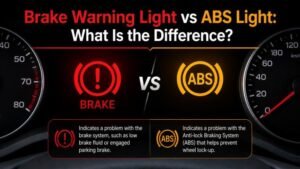
Before calling for help, confirm the fuel level, make sure the vehicle is in the correct gear, and check whether the dashboard shows a security or engine warning. Examine the battery terminals for obvious looseness, and verify that the key or start button is being used according to the vehicle manual.
- Switch off electrical accessories before attempting to start.
- Try the spare key if the security system may be involved.
- Check that the gear selector is fully in Park or Neutral.
- Listen for the difference between silence, rapid clicks, one click, and normal cranking.
- Avoid repeated long cranking attempts, which can drain the battery or overheat the starter.
When should you call a mechanic or roadside service?
Request professional help if the car has a fuel leak, smoke, burning electrical odor, damaged wiring, or signs of an accident. You should also stop troubleshooting when jump-starting does not help, the battery repeatedly goes flat, or the engine cranks but never starts.
A technician can test the battery, charging system, starter circuit, fuel pressure, ignition, and diagnostic data in a logical order. This is usually safer and more efficient than replacing parts based on guesswork.
How to reduce the chance of future starting problems
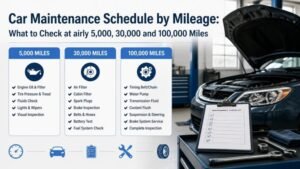
Regular maintenance can help prevent many starting failures. Have the battery condition, charging system, and electrical connections checked during routine service. Follow the manufacturer’s schedule for spark plugs, filters, and other engine components, and address warning lights before the vehicle becomes difficult to start.
If the vehicle is parked for long periods, consider how temperature and inactivity may affect the battery. Keeping the key secure, using the correct fuel, and responding promptly to slow cranking can also help identify problems before they become a complete no-start situation.