Your alternator keeps the vehicle’s electrical systems powered while the engine runs and recharges the battery after starting. When it begins to fail, the car may still drive normally for a short time—but a complete loss of charging can leave you stranded.
Knowing the early warning signs can help you address the problem before the battery goes flat or essential systems stop working. The symptoms below can point to an alternator issue, although proper testing is needed to confirm the cause.
What the Alternator Does
The alternator converts the engine’s mechanical energy into electrical power. It supplies electricity to the headlights, blower motor, infotainment system, engine controls, and other accessories while maintaining the battery’s charge.
A worn alternator may produce inconsistent voltage rather than failing instantly. That is why lights may flicker, warning indicators may appear intermittently, or the vehicle may start normally one day and struggle the next.
Common Signs of a Failing Alternator
Several symptoms can suggest a charging problem. Look for a combination of electrical issues, dashboard warnings, and starting problems rather than relying on one sign alone.
Battery or Charging Warning Light
The battery-shaped warning light often indicates a problem with the vehicle’s charging system, not necessarily a defective battery. It may illuminate because of low alternator output, a damaged belt, wiring trouble, or a poor connection.
If the light remains on while driving, switch off nonessential accessories and arrange an inspection promptly. Continuing to drive can eventually drain the battery completely.
Dimming or Flickering Lights
Headlights that become dim at idle, flicker while driving, or change brightness when accessories are used may indicate unstable alternator output. Interior lights and dashboard illumination can show the same behavior.
Flickering lights can also result from loose battery terminals, poor grounds, or wiring faults, so the symptom should be tested rather than used as a diagnosis by itself.
Slow, Difficult, or Repeated Starting
A weak alternator may fail to keep the battery charged, leading to slow cranking, repeated jump-starts, or a vehicle that starts only after sitting on a charger. The battery may be the immediate reason the engine will not start, but the alternator could be the reason it became discharged. Learn how to tell if your car battery is dying.
If the engine starts with a jump but the problem returns soon afterward, have both the battery and charging system checked.
Electrical Accessories Behaving Abnormally
Low or unstable voltage can affect power windows, heated seats, windshield wipers, the audio system, and climate-control components. Accessories may operate slowly, cut out, or behave differently as engine speed changes.
Unusual Noise or Burning Smell
A failing alternator bearing may create a grinding noise, whining sound, or rumble from the belt area. A slipping belt can produce squealing, while overheated wiring or a slipping belt may cause a burning rubber smell.
Stop driving if you notice smoke, a strong electrical odor, severe belt noise, or rapidly worsening symptoms. These signs can indicate a problem that could damage other components or leave the vehicle without power.
Alternator Problems That Can Look Similar
Not every electrical symptom means the alternator itself is defective. A reliable diagnosis must consider the battery condition, drive belt, and electrical connections.
- Weak battery: A battery can lose capacity and fail to hold a charge even when the alternator works correctly.
- Loose or corroded terminals: Poor connections can restrict current and create symptoms that resemble alternator failure.
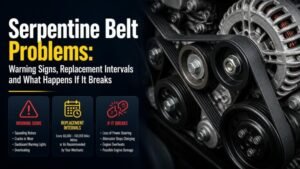
- Worn serpentine belt: A loose, cracked, or damaged belt may prevent the alternator from spinning properly.
- Faulty wiring or ground: Damaged cables, fuses, or ground connections can interrupt charging.
- Starter problem: A failing starter may cause a no-start condition without being related to the charging system.
How to Test the Alternator
Testing should begin with a visual inspection and then move to voltage and load checks. Work around the moving belt, hot engine parts, and electrical connections carefully.
Inspect the Belt and Connections
With the engine off, look for a cracked belt, frayed edges, glazing, or obvious looseness. Check whether the battery terminals are tight and free from heavy corrosion. Inspect visible alternator wiring for damage, but do not touch exposed electrical parts while the engine is running.
Measure Battery Voltage
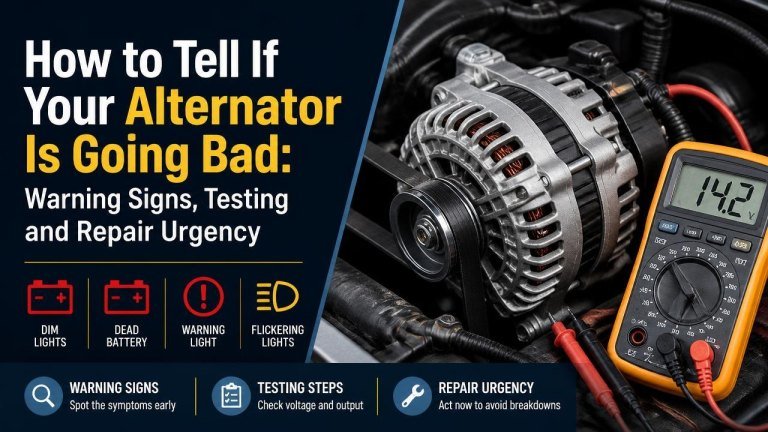
A digital multimeter can provide useful clues. With the engine off and the vehicle rested, record the battery voltage. Then measure again with the engine running and compare the readings according to the vehicle manufacturer’s specifications.
A running-voltage reading that does not rise as expected may point to a charging fault. An unusually high reading may also indicate a regulator problem. Exact acceptable values vary by vehicle, so the service information for that model should guide the interpretation.
Test Under Electrical Load
Turn on appropriate electrical loads, such as the headlights and blower motor, while observing the meter and vehicle behavior. A healthy system should maintain stable output within the manufacturer’s range. Falling voltage, pronounced fluctuation, or worsening symptoms under load can support an alternator diagnosis.
A parts store charging test can be convenient, but a full workshop diagnosis may be needed when the result is unclear or the vehicle has complex electrical controls.
How Urgent Is an Alternator Problem?
The urgency depends on the symptoms and how much charging capacity remains. A warning light with no other symptoms still deserves prompt attention, while stalling, smoke, severe noise, or multiple failing systems calls for immediate caution.
- Arrange service soon: The warning light is on, but the vehicle runs normally and no severe noise or smell is present.
- Limit driving: Lights are dimming, accessories are cutting out, or the engine is becoming difficult to start.
- Stop and seek assistance: The vehicle stalls, the belt fails, smoke appears, or steering and other important systems are affected.
Once the alternator stops charging, the vehicle may run only until the battery’s remaining energy is exhausted. Distance and driving time are unpredictable, so do not rely on a recently jump-started car to reach a distant destination.
What Repair Usually Involves
A repair may involve replacing the alternator, renewing the serpentine belt, cleaning or repairing cable connections, or addressing a battery that was damaged by repeated discharge. The technician should identify the root cause rather than replacing parts based on symptoms alone.
After the repair, the charging system should be retested under load. If the battery has been deeply discharged or is older and weak, it may require separate testing or replacement.
How to Avoid Being Stranded
Respond to the first warning light, unusual noise, or starting change instead of waiting for a complete failure. Keep battery terminals clean, follow the vehicle’s maintenance schedule, and have the belt inspected when the alternator or other belt-driven components are serviced.
If your vehicle shows several charging-related symptoms at once, treat the issue as time-sensitive. Early testing can distinguish a relatively simple connection or belt problem from alternator failure and help prevent an unexpected breakdown.