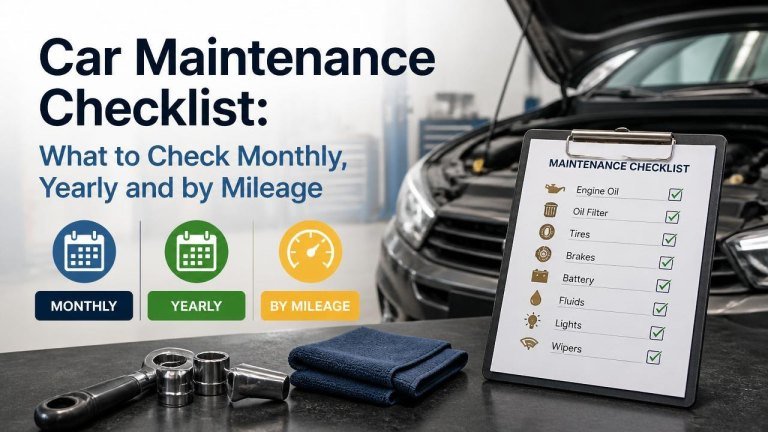
A consistent maintenance routine helps you spot small problems before they become expensive or unsafe. The right schedule depends on your vehicle, driving conditions and the manufacturer’s recommendations, but this checklist provides a useful starting point.
Monthly Car Maintenance Checklist
Monthly checks are quick and can reveal issues that deserve attention. Look for fluid leaks, unusual tire wear and warning signs before they affect your next journey.
- Check tire pressure: Use the pressure listed in your owner’s manual or on the vehicle information label, not the maximum pressure printed on the tire sidewall.
- Inspect the tires: Look for uneven tread wear, cuts, bulges and objects lodged in the tread. Check that the spare tire is properly inflated if your vehicle has one.
- Check engine oil: With the vehicle parked safely on level ground, inspect the oil level as instructed in the owner’s manual. Add only the correct oil when necessary.
- Inspect visible leaks: Look beneath the vehicle for fresh spots or puddles. Oil, coolant, brake fluid and transmission fluid leaks should be investigated promptly.
- Test the lights: Check headlights, brake lights, turn signals, hazard lights, reverse lights and license-plate lights.
- Check the windshield and wipers: Replace damaged wiper blades and keep the windshield washer reservoir filled with suitable fluid.
- Notice warning signs: Pay attention to new noises, vibrations, smells, dashboard warnings or changes in steering and braking.
What to Check Every Three Months
Quarterly checks give you time to review components that may not need attention every month. Focus on under-hood condition, battery connections and vehicle controls.
- Inspect coolant, brake fluid, power steering fluid and windshield washer fluid levels where applicable.
- Look at the battery for corrosion, loose terminals or a damaged case. Do not handle a battery if it appears swollen, cracked or unsafe.
- Examine belts and hoses for cracks, fraying, soft spots or signs of leakage, but keep hands away from moving components.
- Check the air filter and cabin filter if they are accessible and appear dirty. Replace them according to the manufacturer’s guidance.
- Clean the windshield, exterior lights, mirrors and license plates so they remain easy to see.
- Confirm that seat belts latch securely and that the horn, parking brake and climate controls work normally.
Yearly Car Maintenance Checklist
At least once a year, schedule a more complete inspection, even if the vehicle seems to run well. Annual service should cover brakes, steering and suspension and fluid condition.
Engine and Fluid Service
Follow the maintenance schedule for oil changes, fluid replacement and filter service. The correct interval can vary with engine type, oil specification, climate and driving habits.
- Change the engine oil and filter at the interval specified for your vehicle.
- Inspect coolant condition and the cooling system for leaks or damaged components.
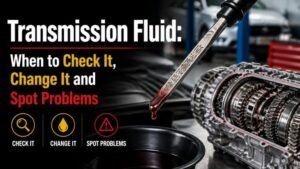
- Check transmission or transaxle fluid according to the manufacturer’s procedure.
- Inspect the engine air filter and cabin air filter, replacing them when required.
- Review the service history and confirm that no scheduled item has been missed.
Brakes, Steering and Suspension
A yearly inspection can identify worn brake pads, loose suspension parts and steering play before they compromise control.
- Have brake pads, rotors, drums, shoes, hoses and lines inspected.
- Check the parking brake and investigate squealing, grinding, pulling or pedal changes.
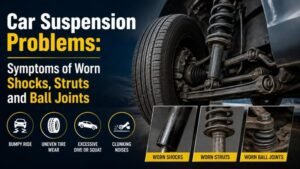
- Inspect shocks, struts, bushings, ball joints and other suspension components.
- Check wheel alignment if the vehicle pulls to one side or the tires wear unevenly.
Battery and Electrical System
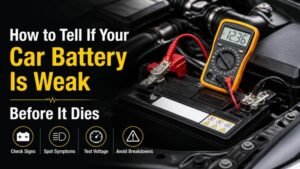
Ask for a check of battery health, charging voltage and starting performance. A battery may work normally one day and struggle after exposure to extreme temperatures or extended inactivity.
- Inspect the battery terminals and cables for corrosion or looseness.
- Test the battery and charging system when starting becomes slow or electrical behavior changes.
- Check exterior bulbs and replace failed or dim lights promptly.
Maintenance by Mileage
Mileage-based service is usually more reliable than a calendar alone because wear depends on use. Always compare general guidance with your vehicle’s factory schedule, service history and driving conditions.
Every 5,000 to 7,500 Miles
Many vehicles require routine service in this range, although the correct interval differs by model. Typical work may include oil and filter service, tire rotation and a multi-point inspection.
- Change the oil and filter when specified by the manufacturer.
- Rotate the tires if recommended for your tire type and drivetrain.
- Inspect tire pressure, tread, brakes, fluids, lights and suspension components.
Every 15,000 to 30,000 Miles
At these intervals, service may expand to include filter replacement, brake inspection and alignment checks. Some vehicles may also require additional inspections.
- Replace the cabin or engine air filter when dirty or due according to the schedule.
- Inspect belts, hoses, exhaust components, suspension and steering parts.
- Check the condition of the battery, wiper system and underbody.
Every 60,000 Miles and Beyond
Higher-mileage service deserves careful planning because several wear items may reach their replacement interval together. Review timing components, transmission service and spark plugs when applicable.
- Confirm whether the timing belt, tensioner and related parts have a scheduled replacement interval. Timing chains also require inspection when symptoms or manufacturer guidance indicate.
- Check whether transmission fluid, coolant, brake fluid or other fluids are due for replacement.
- Inspect engine mounts, wheel bearings, axles, exhaust parts and suspension components.
- Replace spark plugs and other ignition parts according to the vehicle’s maintenance schedule.
Severe Driving Conditions
Short trips, heavy traffic, towing, dusty roads, extreme temperatures and frequent stop-and-go driving can require more frequent maintenance. These conditions increase engine wear, brake use and fluid stress.
Check your owner’s manual for a severe-service schedule. If you regularly drive in demanding conditions, ask a qualified technician whether oil changes, tire inspections, brake checks or fluid service should occur sooner.
When to See a Mechanic Immediately
Some symptoms should not wait for the next scheduled service. Seek professional help for brake failure signs, overheating or dashboard warnings.
- The brake pedal feels soft, sinks, vibrates heavily or requires more distance to stop.
- The temperature gauge rises unusually high or coolant is leaking.
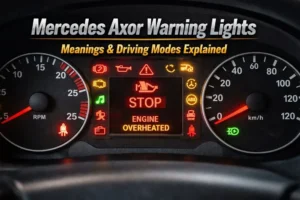
- The oil-pressure, brake, charging-system or check-engine warning light stays on.
- The steering becomes difficult, the vehicle pulls sharply or a wheel feels unstable.
- You hear grinding, hard knocking or a sudden loud mechanical noise.
- You smell fuel, burning oil or electrical insulation.
How to Keep a Maintenance Record
Record the date, mileage, work completed and parts or fluids used. A clear log makes it easier to track upcoming service, warranty documentation and recurring problems.
- Keep receipts and inspection reports in one place.
- Write down tire rotations, oil changes and fluid replacements.
- Note warning lights, unusual symptoms and when they first appeared.
- Use the owner’s manual as the final reference for intervals and specifications.
Final Checklist
A dependable routine does not need to be complicated. Check tires and fluids monthly, arrange annual inspections and follow mileage-based service recommendations. Consistent attention helps protect safety, reliability and the long-term condition of your vehicle.